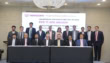
Today, the Senate Standing Committee on Cabinet Secretariat raised serious alarms over Pakistan’s digital taxation policies. Chaired by Senator Rana Mahmood-ul-Hassan, the panel demanded an immediate rethink of taxes on imported mobile phones. Furthermore, the committee highlighted a glaring economic disparity that Pakistan reportedly hosts 40 million cryptocurrency accounts, yet the country has only around six million active taxpayers.
The Push to Slash Taxes on Imported Mobile Phones
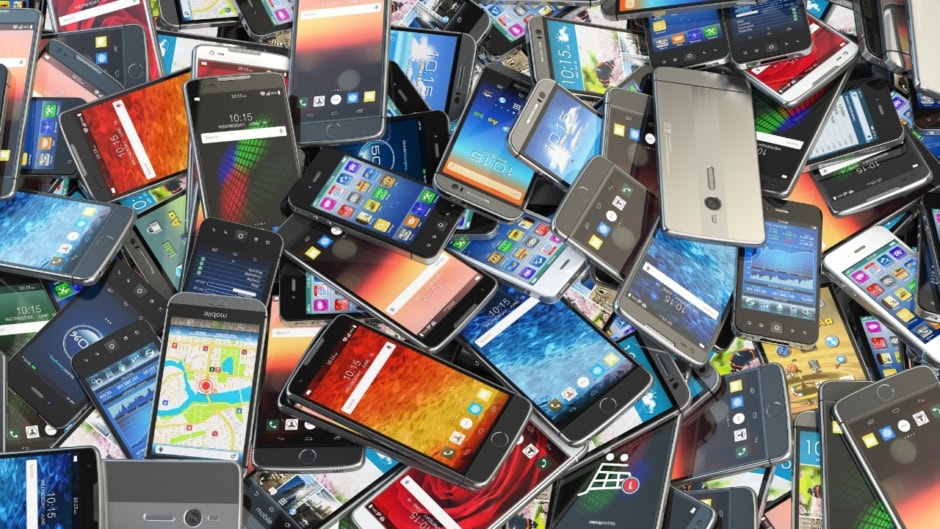
Lawmakers heavily criticized the current tax regime for stifling IT businesses and the upcoming 5G rollout. Senator Abdul Qadir questioned the core logic of levying mobile taxes. He argued that smartphones generate far wider economic benefits for the digital economy than the short-term revenue collected through taxes. Consequently, Senator Dilawar Khan urged the government to prioritize long-term technological growth, while Senator Sadia Abbasi warned that excessive taxation exploits the public and damages business.
To resolve this, the committee directed the Federal Board of Revenue (FBR) and Customs to formulate a transparent valuation mechanism for imported devices. They recommended immediate tax reductions on imported handsets, iPads, and expensive models like iPhones.
PTA officials informed the committee that 35 local smartphone assemblers currently operate in Pakistan and receive different regulatory treatment than imported devices. They clarified that the PTA system only blocks phones for unpaid taxes. Interestingly, Cabinet Secretary Kamran Ali Afzal actively opposed mobile sales taxes, noting that digital payments are actively revolutionizing Pakistan’s economy.
40M Crypto Accounts & a Looming Deadline
Virtual assets dominated the latter half of the proceedings. Pakistan Virtual Assets Regulatory Authority (PVARA) Chairman Bilal bin Saqib revealed that Pakistan is now the world’s third-largest crypto market. Therefore, the government is currently developing a policy to bring these 40 million crypto users into the formal tax net.
Bilal confirmed that global exchanges, including Binance and HTS, have applied to PVARA for No Objection Certificates (NOCs). He issued a strict warning. After September 5, 2026, authorities will take severe action against any digital asset company operating without regulatory approval.
However, the sector still faces ideological pushback. Senator Sadia Abbasi questioned cryptocurrency’s legitimacy, citing market volatility and religious opposition from Mufti Muhammad Taqi Usmani. In response, Bilal noted that Mufti Usmani is willing to review his stance, comparing the situation to early historical opposition to loudspeakers. Bilal confirmed he will meet with the cleric this week. Remarkably, PVARA disclosed that it has only spent 8% of its allocated government budget, returning the remaining 92%.
Power Scams & Deliberate Warehouse Fires
Beyond digital taxes, the committee scrutinized ongoing legal and security failures. The Chairman criticized the overlap between the Federal Investigation Agency (FIA) and Customs courts, noting that five cases are being simultaneously pursued in both forums. He flagged this as an illegal double punishment for the same offense.
Next, lawmakers investigated the Sitara Energy power scam. NEPRA initially allowed the Faisalabad-based company to generate electricity for its own use. Instead, the company allegedly sold the power to FESCO, causing massive losses to the national exchequer. The National Accountability Bureau (NAB) assumed jurisdiction after the alleged corruption exceeded Rs. 500 million. Two former FESCO CEOs are currently on pre-arrest bail. Senators aggressively questioned why authorities are only investigating a 2015 corruption case in 2026.
Finally, the committee reviewed the Nawakalai Customs warehouse fire, where 308 non-custom-paid vehicles are currently housed. The Chairman revealed that a forensic report confirmed the fire was deliberate. Attackers sprinkled petrol at four separate locations before igniting the blaze, raising severe security concerns regarding confiscated assets.