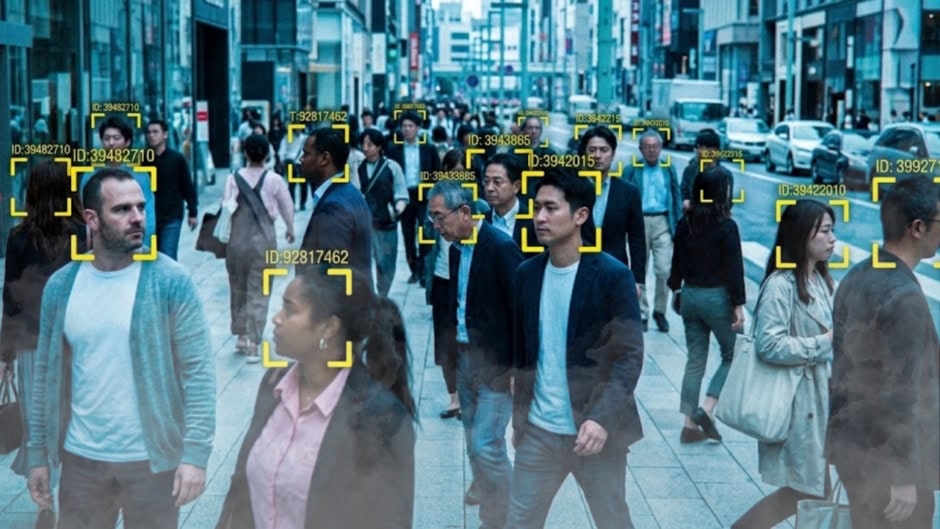
Facial recognition technology is spreading rapidly across the globe. It has moved from niche security tool to everyday infrastructure. However, experts increasingly warn that oversight is falling behind. This growing gap raises pressing concerns about privacy and civil liberties worldwide.
A Booming Global Market
The scale of adoption is expanding at remarkable speed. Global spending on facial recognition is projected to grow steadily.
Analysts forecast a compound annual growth rate around 16% through 2028. By 2026, the technology now spans healthcare, retail, and urban mobility. It also increasingly underpins smart city planning and government services worldwide.
Deployment Outpaces the Law
Regulation, however, struggles to match this rapid pace everywhere. In the United Kingdom, police scanned over 1.7 million faces in 2026. According to Guardian reporting, that marked an 87% annual rise. Yet the country’s biometrics commissioner warns meaningful law remains years away.
Approaches differ sharply across major global jurisdictions. The European Union’s AI Act classifies these systems as high-risk. From August 2026, it imposes strict transparency and safeguard requirements. Meanwhile, several US states like California have restricted police use entirely. China, by contrast, has deployed facial recognition for mass surveillance extensively.
The Persistent Bias Problem
Accuracy concerns remain consistent across countries and studies. AI models trained on non-diverse data can internalize racial bias. Consequently, systems often show higher false-positive rates for certain groups. Research has repeatedly found worse performance on women and darker-skinned faces. These disparities have already contributed to documented wrongful arrests.
Spreading Beyond Policing
The technology is also diffusing rapidly into commercial settings. Retailers worldwide increasingly deploy it to tackle rising theft. However, this shift normalizes constant surveillance in everyday public spaces. Critics warn that private systems often escape meaningful regulatory oversight. The line between commercial and state surveillance grows increasingly blurred.
Public Unease Grows
Public sentiment reflects this mounting global anxiety clearly. Surveys consistently show people fear misidentification and potential data misuse. Many worry the technology advances society toward pervasive mass surveillance. Ultimately, experts argue updated, coordinated laws are urgently needed. Given the speed of change, that framework is needed sooner rather than later.