
Google has unleashed its September 2026 spam update, a major algorithmic shift targeting spammy websites across all languages and regions. The announcement arrived September 24, 2026, with Google confirming the rollout will take approximately two weeks to fully complete. This represents the fourth spam update Google released in 2026, but it differs significantly from previous ones. As Google puts it:
Released the September 2026 spam update, which applies globally and to all languages. The rollout may take up to two weeks to complete.
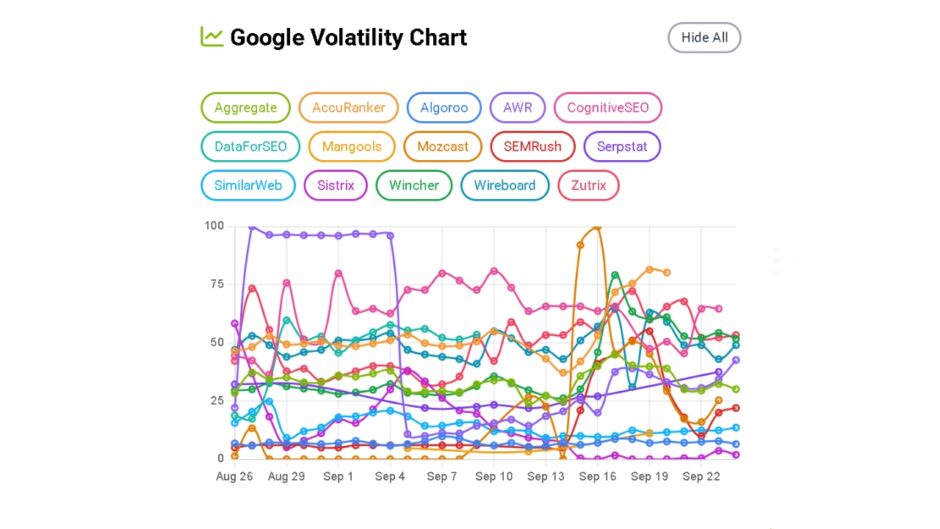
Earlier spam updates in 2026 completed within days, yet this September release takes considerably longer than normal. According to Search Engine Journal, historical data shows rollout durations ranging from 48 hours to 27 days, depending on scope and targeting precision. The extended timeline signals Google targeted more persistent spam patterns requiring deeper system changes across multiple data centers.
The update applies globally and impacts all languages equally, though Google did not disclose specific query impact numbers. Analysis from PPC Land found that extended deployment windows don’t always correlate with greater ranking disruption; the targeting mechanism and affected population matter more than duration. Sites with significant spam policy violations face ranking drops or complete removal from search results.
Google’s SpamBrain system powers spam detection using advanced AI-based approaches that continuously hunt for new spam techniques. As noted by industry experts, SpamBrain had already pre-identified target domains before the rollout announcement, enabling rapid penalty application within hours of release. This represents a significant evolution in how Google detects and responds to spam at scale.
Scaled content abuse remains a primary target, according to research from Digital Marketing Philippines and Practical Ecommerce. Google targets large volumes of low-quality, unoriginal, or AI-generated content created primarily to manipulate search rankings. Expert analysis indicates 60 to 80 percent of penalized sites suffered from significant ranking drops due to scaled content abuse detection.
Expired domain abuse and site reputation abuse continue as enforcement priorities, with Google targeting high-authority domains publishing unrelated content. Google extended its spam policies in May 2026 to cover AI Overviews and AI Mode in Search, addressing inauthentic mentions and scaled content abuse in AI-generated surfaces. This expansion reflects how quickly Google adapted enforcement mechanisms to address emerging content creation methods.
Recovery from this update proves challenging, as Google clearly stated. Websites penalized should review official spam policies and make corrections immediately. However, even after fixing violations, recovery takes many months because Google’s systems require extended periods to learn and verify compliance changes.
The update notably does not target link spam specifically, though Google did not exclude link-based penalties either. Sites hit by link spam face particularly grim outlooks because Google removes ranking benefits those spammy links previously provided. Those benefits cannot be regained, rendering link-based recovery strategies ineffective long-term.
According to the update (as has been upheld prior), key violations include cloaking, hidden text, doorway pages, user-generated spam, and automated content farms. Removing violations now may accelerate future recovery once penalties take full effect across global systems.