Apple expanded Apple Music to four new countries on September 30, 2026, adding availability to Albania, Brunei, Burkina Faso, and Pakistan, bringing the total reach to 172 countries and regions. For Pakistan specifically, this represents an 11-year lag from the service’s original June 2015 global unveiling. This delay underscores Apple’s historically cautious approach to emerging markets.
The timing follows months of beta testing during which Apple Music showed Pakistan-specific subscription pricing and accepted PayPak payments on iOS, signaling the company’s commitment to local market integration. Pakistani users can now subscribe to an individual plan at Rs. 379 per month or a family plan at Rs. 649 per month, each including a complimentary one-month trial.
However, Pakistan’s tech ecosystem has already shifted significantly since Apple Music’s initial 2015 launch. Spotify arrived in Pakistan in 2021, and YouTube Music has operated in the country for even longer. Both competitors have accumulated loyal subscriber bases, established payment partnerships with local banks, and integrated with Pakistani telecom carriers. Apple’s late entry means competing for space in an already-crowded market rather than establishing first-mover advantage.
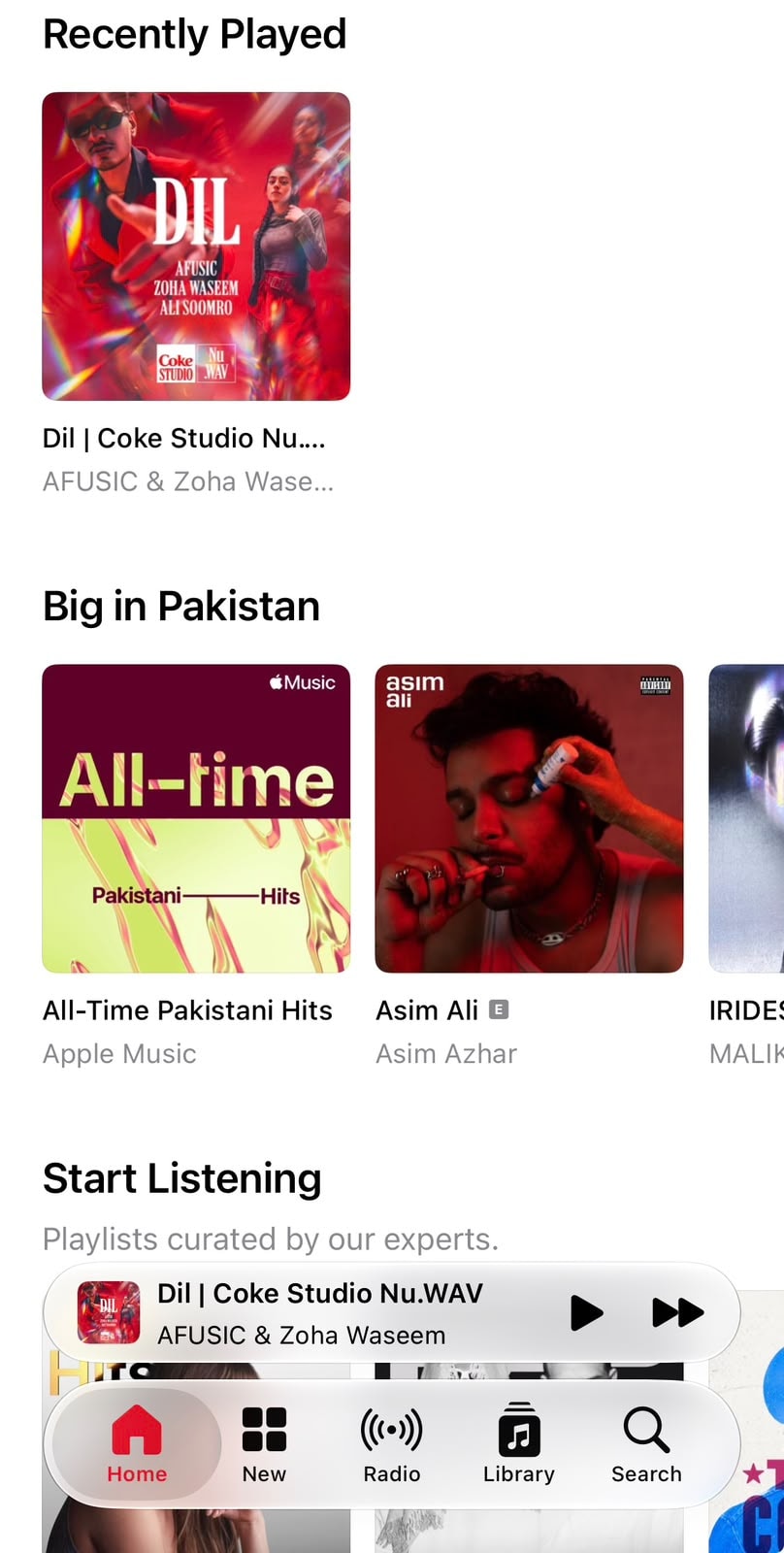
The delays reflect persistent infrastructure and regulatory friction. Apple Music had been available on Android devices in Pakistan for years, but iOS-based payment processing never functioned until the recent beta rollout. This fragmentation illustrated Apple’s inconsistent approach to regional deployment. Meanwhile, competitors streamlined their onboarding. Spotify navigated Pakistani payment networks directly. YouTube Music integrated through Google’s existing data center presence.
Local musicians and independent artists represent the secondary impact. Streaming platforms enabled Pakistani artists to monetize directly through streaming, bypassing traditional distribution constraints. Apple Music’s delayed arrival means these artists have already built followings elsewhere. The service arrives at a maturity point where user migration requires active encouragement rather than organic adoption from launch momentum.
The expansion also suggests Apple’s broader services strategy shift. Three of the four new countries, Albania, Burkina Faso, and Pakistan, were simultaneously added to regions where iCloud+ now includes Apple TV and Apple Arcade at no additional cost, positioning Apple’s bundled services as competitive against rivals in price-sensitive markets.
Pakistani iPhone users now face a genuine choice after a decade of forced workarounds. Yet the competitive landscape has hardened considerably. Spotify users, YouTube Music listeners, and other streaming subscribers possess established libraries, curated playlists, and integrated payment history. Apple Music’s arrival is welcome, but it represents market entry, not market establishment.