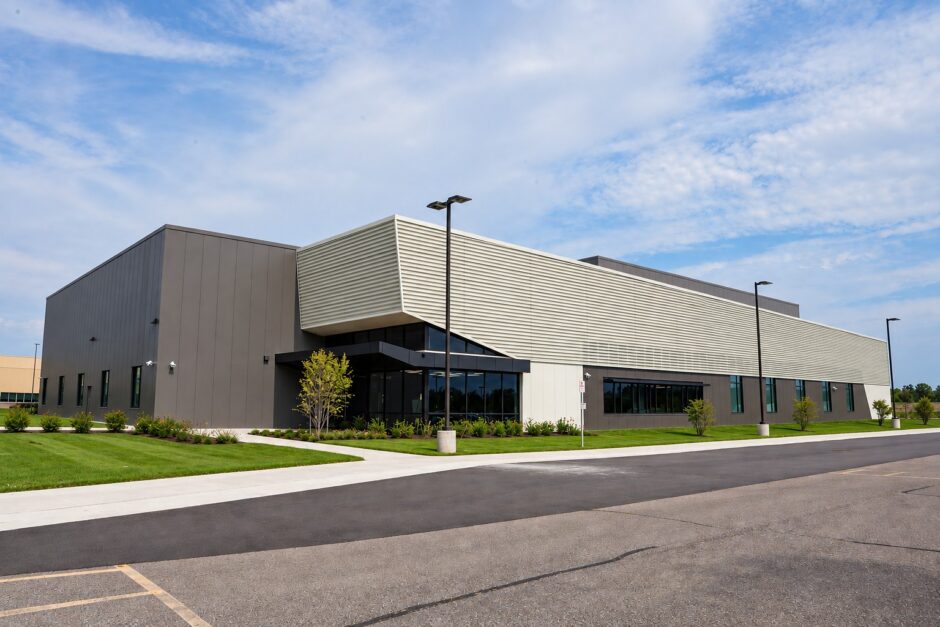
Toyota opened a nearly $50 million battery research and testing center at its R&D campus in York Township, Michigan. The facility launched on October 2, 2026, three years after Toyota first announced the investment in June 2023.
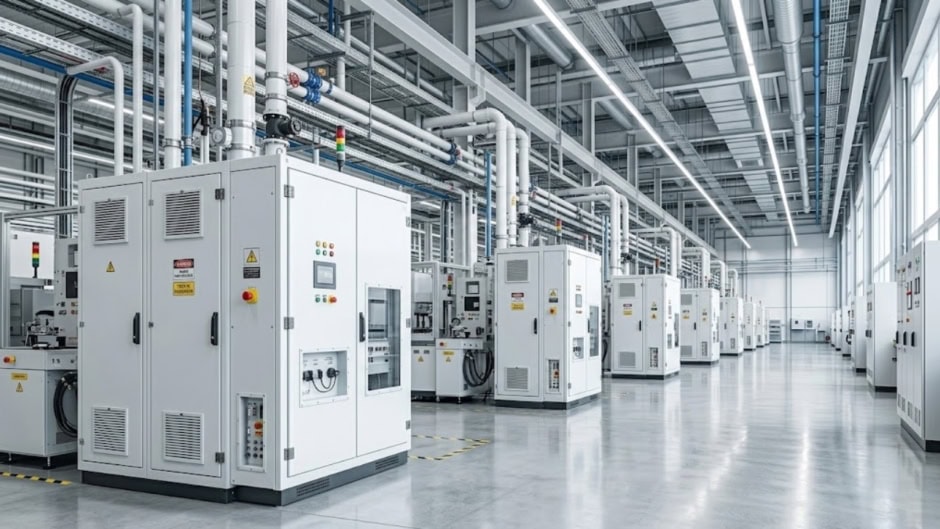
The 30,000-square-foot center tests batteries across their entire lifecycle, from raw materials through vehicle applications to recycling. The facility supports batteries for electric, hybrid, plug-in hybrid, and hydrogen-powered vehicles rather than focusing on a single powertrain type. Engineers conduct Level 2 and Level 3 charging evaluations, explore new battery configurations, and assess performance and durability for North American driving conditions.
Jordan Choby, Toyota’s group vice president of powertrain, told reporters the center means engineers “can detect and resolve field concerns faster and closer to the source.”
“For Toyota customers, this facility means Toyota engineers can detect and resolve field concerns faster and closer to the source,” said Jordan Choby, group vice president of Powertrain. “It also means we can develop longer-lasting batteries designed to perform in the conditions American drivers face every day.”
The center works directly with Toyota Battery Manufacturing North Carolina and Toyota Motor Manufacturing Kentucky, which assembles a three-row battery electric SUV. Toyota also joined the University of Michigan Electric Vehicle Center as a founding member, connecting the lab to academic research on next-generation battery technology.
Toyota enrolled the facility in DTE Energy’s MIGreenPower program, which supplies 100% renewable electricity. Executive Vice President Shinichi Yasui of Toyota’s North American R&D division said the investment “shows Toyota’s directional shift towards electrification for all.” The multi-powertrain approach reflects Toyota’s strategy of offering electrified options across its entire lineup rather than committing exclusively to battery electric vehicles.
The opening comes as Pakistan explores its own EV battery ecosystem. The Engineering Development Board approved new EV manufacturing policies in 2025, and local assemblers like MG and Changan now sell hybrid and electric models. Toyota’s investment in battery testing infrastructure highlights the scale of research needed to support competitive EV manufacturing.