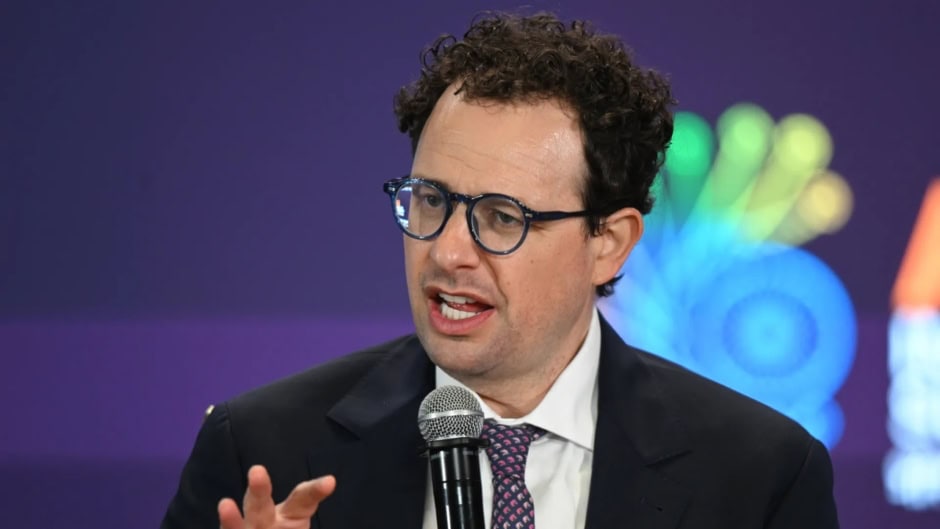
Dario Amodei, CEO of Anthropic, released a sweeping policy framework in June 2026 arguing that policymakers must dramatically accelerate their response to AI’s exponential progress. Amodei compared the mismatch between AI’s speed and government’s pace to Tolkien’s Treebeard, a wise but ponderous character who moves far too slowly to respond to immediate threats. He outlined five critical policy areas requiring urgent reform.
First, Amodei called for FAA-style mandatory testing and auditing of frontier AI models before deployment, with government power to block releases posing unacceptable cybersecurity, biological weapons, autonomy, or automated R&D risks.
Second, he advocated macroeconomic reforms including universal basic income or capital accounts to address potential enduring labor displacement.
Third, he recommended FDA and EMA regulatory modernization to accelerate biomedical innovation without sacrificing safety.
Fourth, he proposed strengthening civil liberties protections against AI-enabled state surveillance and autonomous weapons.
Fifth, he urged democracies to form a coordinated global coalition managing AI supply chains, sharing benefits, and denying advanced chips to authoritarian regimes.
Amodei emphasized that Claude Mythos Preview demonstrated AI’s shift from academic curiosity to “tool of global strategic consequence.” The discovery of real cybersecurity risks proved the exponential had arrived. He acknowledged that his previous focus on transparency legislation, while important, proved insufficient given AI’s demonstrated capabilities. The essay represents Anthropic’s most comprehensive policy position and signals the company’s willingness to advocate for serious government regulation.
“I am optimistic about finding solutions because many of these issues—from addressing job displacement, to pre-release testing of models, to export controls on chips, to other AI related policy issues such as energy use—have a common-sense appeal across the political spectrum,” Amodei wrote.
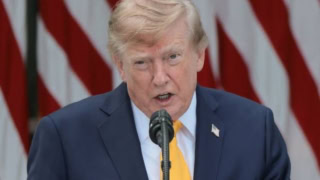
He committed Anthropic to supporting legislation and policy implementation financially, positioning the company as willing to accept regulation that constrains its own operations in service of broader safety. The framework lands as the Trump administration issued an executive order moving government toward greater AI oversight, though Amodei argued the measures should go further.