The Standing Committee on Climate Change and Environmental Coordination met in Islamabad today to review major national initiatives. Acting Chair Dr. Shazia Sobia Aslam Soomro, MNA, led the session. During the meeting, the committee evaluated the Public Sector Development Programme (PSDP) for 2026-27 and Pakistan’s Electric Vehicle (EV) Policy. Furthermore, the Federal Minister for Climate Change assured members he would remain available for regular accountability briefings.
Accelerating Pakistan’s EV Policy
The Ministry of Industries and Production presented the national EV Policy. The Engineering Development Board developed this framework alongside think tanks and universities. Consequently, the government is rolling out targeted incentives for electric two- and three-wheelers.
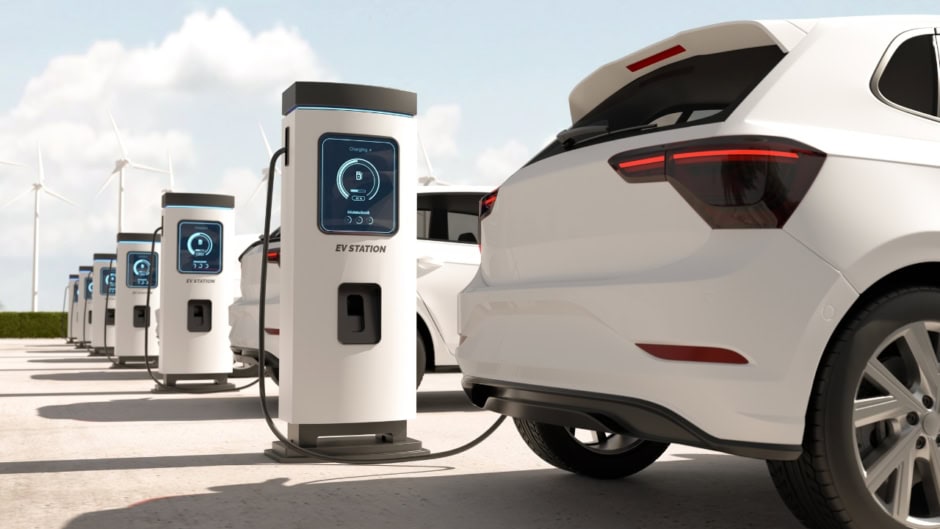
Meanwhile, officials are working aggressively to expand the local charging infrastructure. They also aim to boost localized manufacturing and reduce the country’s reliance on imported components. Currently, the government has approved over 100 licensed charging stations. More importantly, authorities have mandated that all new petrol stations in Islamabad must now include EV charging facilities.
In addition, officials have prepared a comprehensive battery policy and recycling framework. This critical framework is currently awaiting final approval. The committee also discussed the Pakistan Accelerated Vehicle Electrification (PAVE) programme. Other proposed schemes include EV facilitation for BPS 1-16 government employees and various skill-enhancement initiatives.
Climate Development & Biosafety Initiatives
Shifting focus to infrastructure development, the Ministry detailed the PSDP for FY 2026-27. Despite operating within a constrained fiscal space, the government has prioritized projects of national significance. For instance, new initiatives will target air quality and a botanical garden using private-sector participation.
Previously, the government successfully established the Pakistan Biosafety Clearing House. This facility helps the country meet its reporting obligations under the Cartagena Protocol and strengthens the Environmental Protection Agency. Furthermore, authorities have operationalized new water-quality testing laboratories under the WASH programme.
Additionally, the Ministry defended recent regulatory decisions regarding genetically modified (GM) soybean and canola. These decisions actively supported the local poultry sector. Going forward, the Ministry promised to base all biosafety decisions on strict scientific evidence and food-security considerations. They also expressed a strong willingness to align with stringent European Union standards.
Tackling Islamabad’s Environmental Crisis
During the session, committee members raised serious concerns about environmental degradation in the capital. Untreated wastewater is heavily contaminating water sources and natural streams. As a result, authorities are actively taking action against illegal discharges. Furthermore, developers are building a new sewage treatment facility at Korang Nullah to prevent pollution from flowing into Rawal Dam.
Moreover, the government is drafting new National Ambient Air Quality Standards. The Asian Development Bank is providing technical assistance for this project. Officials expect to finalize these new standards later this year. The committee also discussed ongoing institutional coordination regarding climate financing, international partnerships, and green taxonomy.
Finally, the Committee issued three strict directives to the Ministry. First, the Ministry must present a complete briefing on Pakistan’s GMO and biosafety policy framework. Second, officials must provide complete details of all laboratories certified to conduct vehicle emissions testing. Third, the Ministry must submit a detailed report outlining the demarcation and legal boundaries of the Margalla Hills National Park.