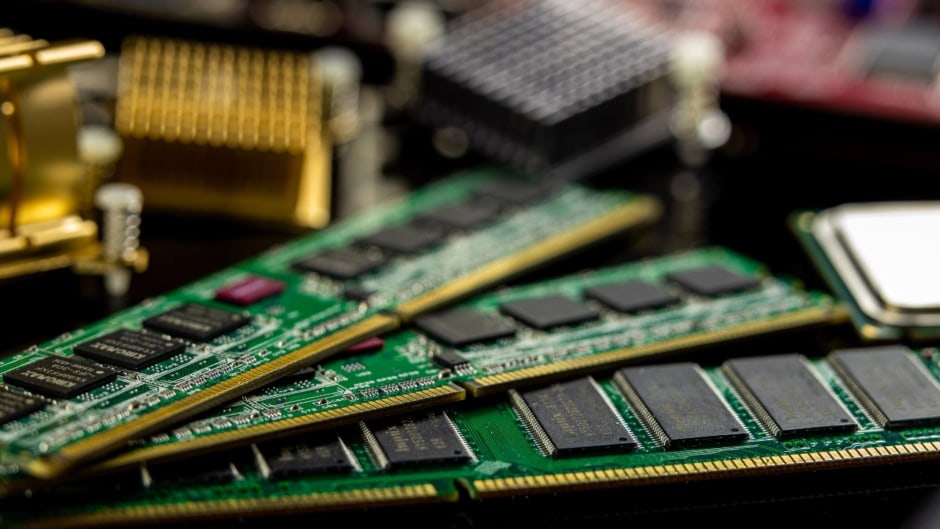
The electronics industry has faced a crippling RAM shortage since early 2025. Consequently, prices for computers, game consoles, and smartphones have skyrocketed to unprecedented heights. Now, a major legal battle is unfolding. A federal lawsuit recently filed in the US District Court for the Northern District of California targets three industry giants. The lawsuit explicitly accuses Samsung, SK Hynix, and Micron of RAM chip price-fixing.
Inside the RAM Price-Fixing Lawsuit
The plaintiffs accuse these three manufacturers of intentionally keeping RAM prices high and limiting market supply. New York-based law firm Bathaee Dunne LLP represents the plaintiffs in this case.
Specifically, the lawsuit claims the companies violated several state and federal laws. These violations include breaches of the Sherman Act, the Cartwright Act, and Minnesota’s Antitrust Law. Therefore, the plaintiffs seek immediate injunctive relief. They aim to permanently remedy the defendants’ unlawful and anticompetitive conduct.
The rapid growth of artificial intelligence directly triggered this ongoing RAM supply crisis. AI data centers continuously buy massive quantities of RAM to power their servers. As a result, consumer tech prices face severe inflation. For instance, Apple recently raised prices across several popular product lines.
Furthermore, the lawsuit details exactly how Samsung, SK Hynix, and Micron cornered the RAM market. The plaintiffs argue that decades of trade secrets protect the production of usable chips. Additionally, strict US export controls actively prohibit competitors from using alternative manufacturing methods.
Shockingly, this is not a first-time offense. The lawsuit notes that Samsung and SK Hynix engaged in a similar price-fixing conspiracy between 1998 and 2022. Both companies eventually pleaded guilty. Samsung ultimately paid nearly $300 million in penalties. Similarly, SK Hynix paid out $185 million.
The “New Normal” for Electronics
Unfortunately, industry leaders warn that expensive RAM is here to stay. Lenovo recently stated that these shortage-driven price increases will likely become the industry’s “new normal“. Micron even projects the shortage will stretch well beyond the end of 2026. Worse, some analysts predict the crisis could last until 2030.
Meanwhile, other tech companies desperately scramble to adapt. In February 2026, Corsair added new tamper-evident seals to its RAM packaging to fight off scammers taking advantage of the market. Valve also blamed the RAM shortage for the unusually high launch price of its Steam Machine. The company originally expected component prices to drop. Instead, the market did the exact opposite.
Ultimately, this ongoing RAM crisis has fundamentally damaged the electronics industry, and consumers will likely feel the impact for years to come.