Instagram announced on August 31, 2026 that it will limit the reach of accounts featuring AI-generated people without disclosing it.
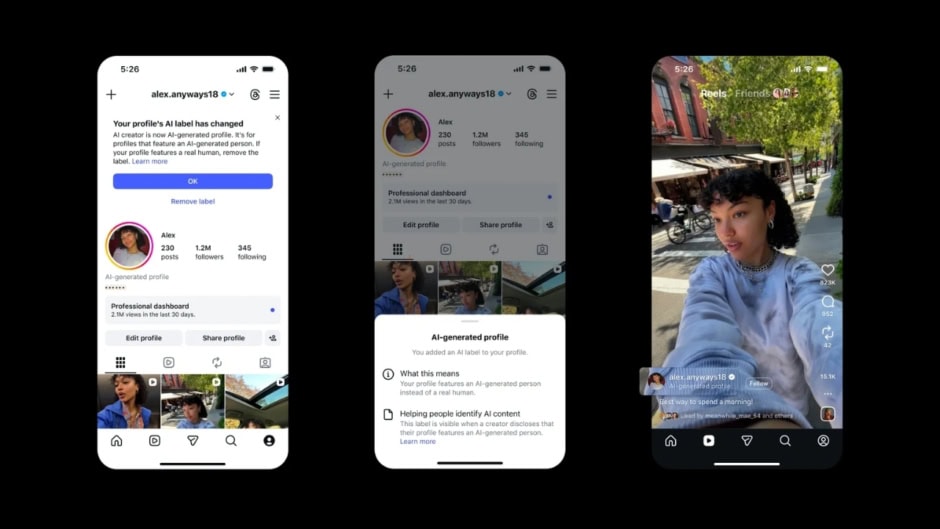
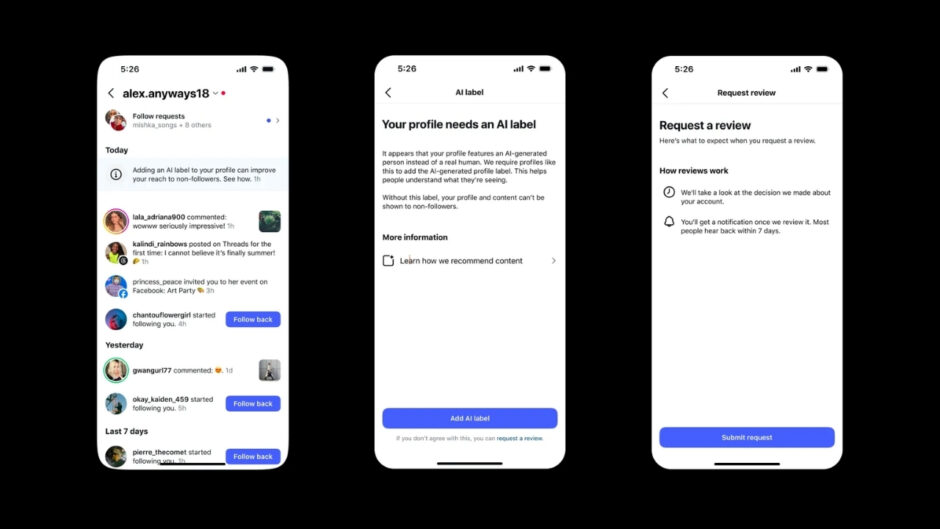
Since frustration over synthetic influencers has been mounting across social media, the platform is renaming its existing “AI creator” label to “AI-generated profile,” a shift designed to make the disclosure clearer and harder to overlook.
As per Instagram:
This update builds on the learnings of the AI creator label we began testing earlier this year. As generative AI becomes a bigger part of how people create, we’ve heard that people don’t like seeing a profile that seems human, only to find out later that the person featured is AI-generated. They want to know when a profile features an AI-generated person.
For creators who previously added the AI creator label, creators will now see the new name and have a chance to review the AI-generated profile label, confirm if it still fits, or remove it if it no longer applies. Creators who simply use AI tools as part of their creative process don’t need to add the label.
The new label specifically flags profiles featuring a person that artificial intelligence generated or substantially created. Under the updated policy, Instagram reduces the reach of creators who skip the label. Meaning, its algorithm stops recommending their posts to non-followers across Reels and Explore. Because this discovery pipeline fuels most organic growth on Instagram, demotion effectively kneecaps the visibility that made synthetic influencers viable initially.
Importantly, the rule targets identity rather than tooling. Real creators who use AI to edit photos, polish captions, or design graphics won’t need the label or face penalties. Instagram is drawing a clear distinction between AI as a creative tool and AI as the account’s entire persona, so a photographer using generative fill remains completely unaffected.
The change replaces the optional “AI creator” label Instagram began testing in May 2026. This will mark the first time the platform attached actual consequences to undisclosed AI personas. Instagram said the update responds directly to users who followed profiles appearing human, only to discover later the person was entirely AI-generated.
The timing reflects broader industry pressure. Earlier this year, a Wired investigation found a network of apparently AI-generated male influencers promoting a dating app. Meanwhile The New York Times reported hundreds of AI-generated doctors and wellness personalities pushing supplements.
Meta faced backlash in July over an AI tool generating images using people’s likenesses, which it later removed. The company recently reached an $18 billion settlement with US states over social media harms to children. Because Meta simultaneously encourages users to create their own AI content, some observers argue this crackdown addresses only the most deceptive edge of a much larger AI slop problem.