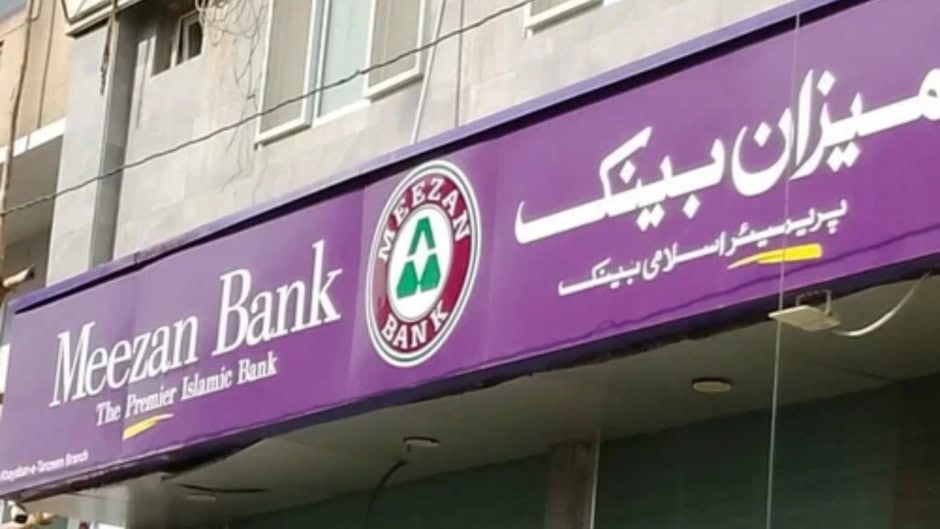
Meezan Bank’s legal battle to block the super tax came to an end on July 28 when the Islamabad High Court (IHC) dismissed its constitutional challenge, leaving the bank on the hook for approximately Rs. 11 billion in unpaid levies. The ruling was decisive: the court sided with Parliament and the Federal Board of Revenue (FBR), confirming that the super tax is both legal and constitutionally sound.
The bank had argued its case aggressively, contending that the super tax amounted to double taxation since income already taxed under Section 4 of the Income Tax Ordinance was being subjected to an additional levy. Meezan Bank’s senior counsel Dr. Farogh Naseem pushed back on retrospective applications of the tax as well, arguing that income from Islamic financing agreements executed before the tax was introduced should be exempt.
The court’s division bench vacated all interim stay orders and ruled that Parliament clearly possesses the constitutional authority to impose the super tax under Section 4C of the ordinance. What mattered more was that the court found no constitutional violation in applying the tax uniformly across both conventional and Islamic banks.
The government’s legal team, representing the Federation and FBR through advocate Hafiz Ehsaan Ahmad Khokhar, built a sharper argument: Meezan Bank had already exhausted its statutory remedy by filing an appeal before the Appellate Tribunal Inland Revenue in Karachi, making the IHC petition procedurally improper. The court agreed, adding that tax liability is determined by income earned during the relevant tax year, not the date financing agreements were executed.
The ruling sets a precedent that will likely discourage similar challenges from other financial institutions. For the government, it represents a significant victory in its ongoing effort to enforce the super tax regime on banking companies, which has faced intense industry pushback since its introduction.
The verdict comes amid broader tax compliance efforts under Pakistan’s current fiscal policy framework, with the FBR intensifying collection across multiple sectors.