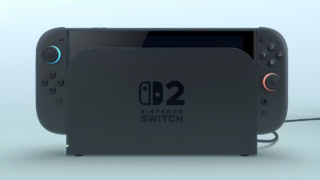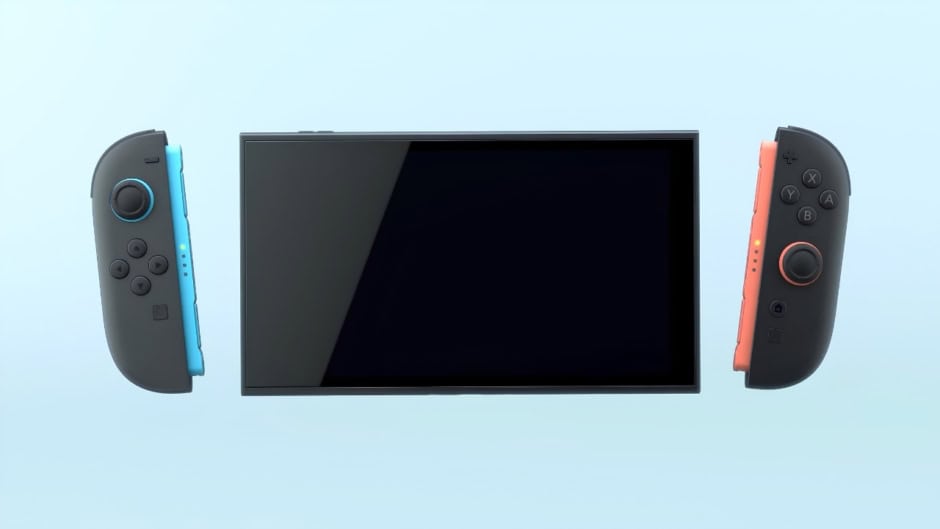
Nintendo’s next major hardware move might already be in the works. While the current Nintendo Switch 2 launched with a standard LCD screen, recent rumors suggest the company is exploring an OLED model. This potential upgrade aims to deliver a premium experience, but it arrives alongside a looming price increase for the base system.
Released in June 2025, the Nintendo Switch 2 hit the market more than eight years after its predecessor. Since then, the console’s hardware has remained identical. Nintendo has relied strictly on software bundles, completely avoiding any hardware revisions or color variants. This approach differs drastically from the original Switch’s lifecycle, but current market conditions explain the hesitation.
The OLED Upgrade Timeline
When Nintendo revealed the Switch 2, fans were surprised by the lack of an OLED option. The original Switch received an OLED upgrade in 2021, four years into its run. However, Nintendo actively chose an LCD screen for the Switch 2 to keep initial launch costs manageable.
That strategy could soon shift. A new report from ZDNET Korea claims Nintendo is currently in discussions with Samsung regarding OLED displays. If these talks progress, production for a Nintendo Switch 2 OLED model could begin in late 2027. This timeline points to a potential 2028 release.
Releasing an OLED model three years into the console’s lifespan gives Nintendo a strategic advantage. It allows the company to cater to passionate fans willing to pay a premium for hardware upgrades without forcing early adopters to shoulder that cost at launch.
Impending Nintendo Switch 2 Price Hikes & the RAM Crisis
Before any OLED model arrives, gamers face a more immediate reality. The base Nintendo Switch 2 will see a price increase this September. This hike directly mirrors similar price bumps seen across the industry, including the PS5 and Xbox Series X/S.
A severe global RAM shortage is driving these rising costs. Consequently, tech products across the board are experiencing unprecedented inflation, and Nintendo’s latest console is no exception. In response, Nintendo provided advance notice of the September hike and is heavily promoting software bundles to drive sales before the new price takes effect.
Pricing for the rumored OLED model remains highly speculative. The original Switch OLED carried a $50 premium over the base model. While a similar $50 markup is possible for the Switch 2 OLED, the ongoing RAM crisis complicates everything. Historically, video game consoles dropped in price over time. Now, the base Switch 2 could still cost $500 in 2028, or it could easily inflate past $600 depending on component availability.
Software Exclusives Driving Hardware Sales
As hardware becomes increasingly expensive, Nintendo must justify the investment to consumers. The company plans to accomplish this through a massive lineup of exclusive software.
A highly anticipated remake of The Legend of Zelda: Ocarina of Time is slated for release later this year. Furthermore, the Pokémon franchise will return with Pokémon Winds and Pokémon Waves in 2027. These blockbuster titles are expected to drive substantial Switch 2 sales, but it remains to be seen if fans will tolerate the rising hardware costs.