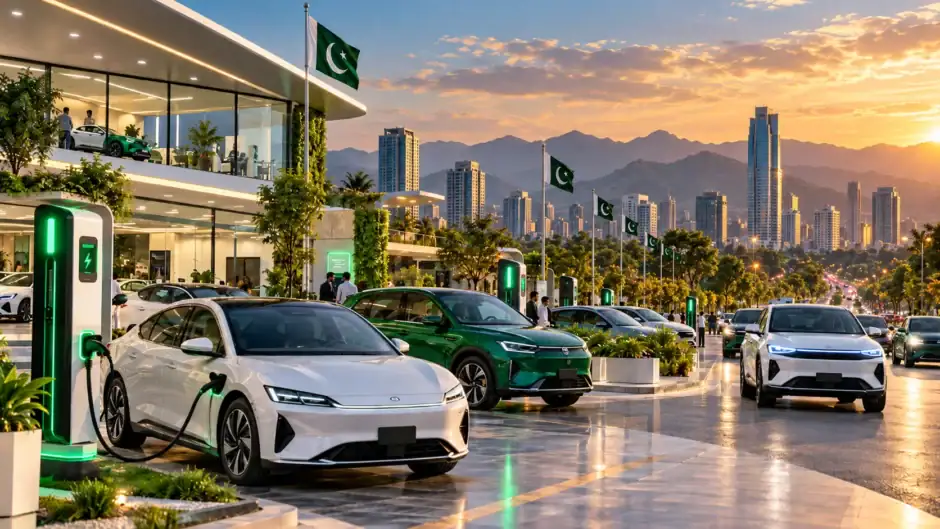
Pakistan could achieve its target of having electric vehicles (EVs) account for 30% of new vehicle sales by 2030 sooner than expected as rising fuel prices make electric cars more attractive to consumers.
Prime Minister’s Adviser on Industries and Production Haroon Akhtar said higher petrol prices have shortened the period needed for consumers to recover the additional upfront cost of an EV. According to Akhtar, buyers could now recover the price difference within one to one and a half years, depending on fuel prices and vehicle usage.
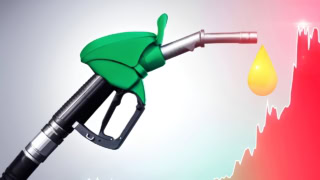
Petrol and diesel prices have increased by 54% and 43%, respectively, since the Middle East conflict began in February, according to Pakistan State Oil Company data. Rising fuel costs are also adding to the country’s economic pressures, with petroleum products accounting for nearly one-quarter of total imports and the import bill reaching $16.9 billion in the year ended June 2026.
However, the shift toward electric vehicles faces challenges, including high EV prices and limited charging infrastructure. Despite these hurdles, electric motorcycle and scooter sales have reportedly tripled from last year, while electric car sales have doubled, although comprehensive industry-wide figures remain unavailable.
The government is also preparing a new auto policy that could be presented to the federal cabinet within the next two weeks. Authorities are considering tax incentives to narrow the price gap between electric and conventional vehicles and encourage wider EV adoption.