Proposed tax concessions for plug-in hybrid electric vehicles (PHEVs) could reduce Pakistan’s government revenue by an estimated Rs. 230 billion over five years under the draft Auto Policy 2026–31.
According to an estimate by an auto industry expert reported by The Boardroom on October 6, the projected revenue loss is based on anticipated sales of 150,000 new-energy vehicles, current vehicle prices, and applicable tax rates.
The proposed measures include reducing the general sales tax (GST) on PHEVs from 18% to 9%, along with exemptions from federal excise duty (FED) and capital value tax (CVT). The government is also considering a higher GST rate for range-extended electric vehicles (REEVs), which could generate additional revenue but may not fully offset the estimated loss.
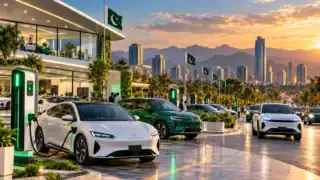
The proposed concessions are part of the draft Automotive and Auto Parts Manufacturing Policy 2026–31, which aims to promote new-energy vehicles, reduce vehicle prices, encourage local manufacturing, and expand automobile exports.
However, the proposals have sparked debate over their fiscal impact and the tax treatment of different vehicle technologies. Industry stakeholders have raised concerns about potential revenue losses, limited local value addition, and the implications for domestic manufacturers.
The government faces the challenge of balancing incentives for cleaner transportation with the need to protect tax revenues and strengthen Pakistan’s automotive industry. The final impact will depend on the policy’s approved measures and actual vehicle sales.