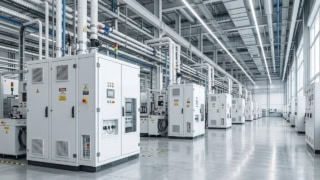
US chip giant Micron has begun a major expansion of its Japan plant. The project targets its memory factory in Hiroshima. It carries a price tag of about $9.3 billion, or 1.5 trillion yen.
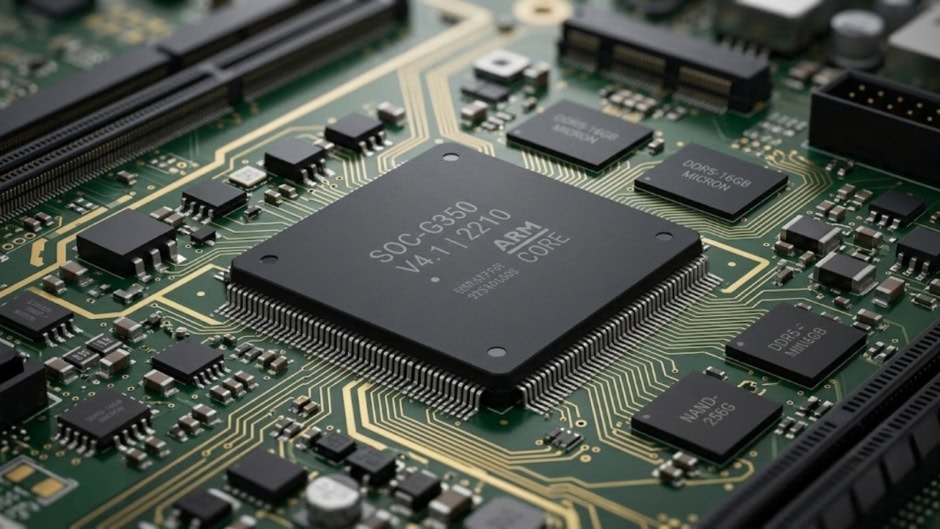
Micron broke ground on the site on July 4. The facility will produce advanced memory chips. That includes high-bandwidth memory, known as HBM. This type of chip pairs with GPUs to power AI systems. HBM has become a critical, constrained component for AI processors. It often determines how much useful compute a data center can deploy. Supply shortages have squeezed the entire industry recently.
Commercial shipments from the plant are expected around summer 2028. That means the new capacity will not ease near-term shortages. However, it could reshape medium-term supply planning. Buyers may factor the 2028 timeline into future procurement. The Japanese government is backing the project heavily. The Ministry of Economy, Trade and Industry can provide major support. Reports say that aid could reach up to 500 billion yen. The subsidy ties memory capacity directly to industrial policy.
The move fits a wider strategic goal too. Japan wants more advanced chip production inside allied supply chains. That reduces reliance on any single region for critical components. It is part of a global push to secure semiconductor supply.
Micron faces stiff competition in the HBM market. It competes with rivals SK Hynix and Samsung for orders. Those firms supply AI chip makers and cloud giants. Winning long-term commitments is key to the buildout.
The Hiroshima project joins Micron’s broader expansion plans. The company is also investing in Boise and New York fabs. Analysts say execution will decide the real impact. Delays, yields, and customer allocation all remain to be seen.