The satellite signals underpinning modern life are increasingly under threat. GPS and other systems guide planes, ships, and financial networks daily. However, deliberate interference with these signals is surging worldwide. Consequently, a global effort is now underway to protect them.
The signals themselves are remarkably fragile by design. By the time they reach Earth, they are incredibly weak. Therefore, it takes little power to disrupt them entirely. This vulnerability makes them an easy and tempting target.
Two main attack types dominate the growing threat landscape. The first is jamming, essentially a denial-of-service attack. It broadcasts strong competing signals on the same frequency. As a result, receivers get overwhelmed and simply stop working.
Jammers themselves have become alarmingly cheap and accessible. Some small devices plug directly into a vehicle’s power socket. Even a low-power unit can disrupt signals across a surprising radius. Consequently, one device near an airport can affect many aircraft.
However, the most disruptive jamming comes from powerful state systems. Russia’s Tobol complex has been widely linked to Baltic interference. Similarly, its Krasukha system reportedly jams navigation and radar signals.
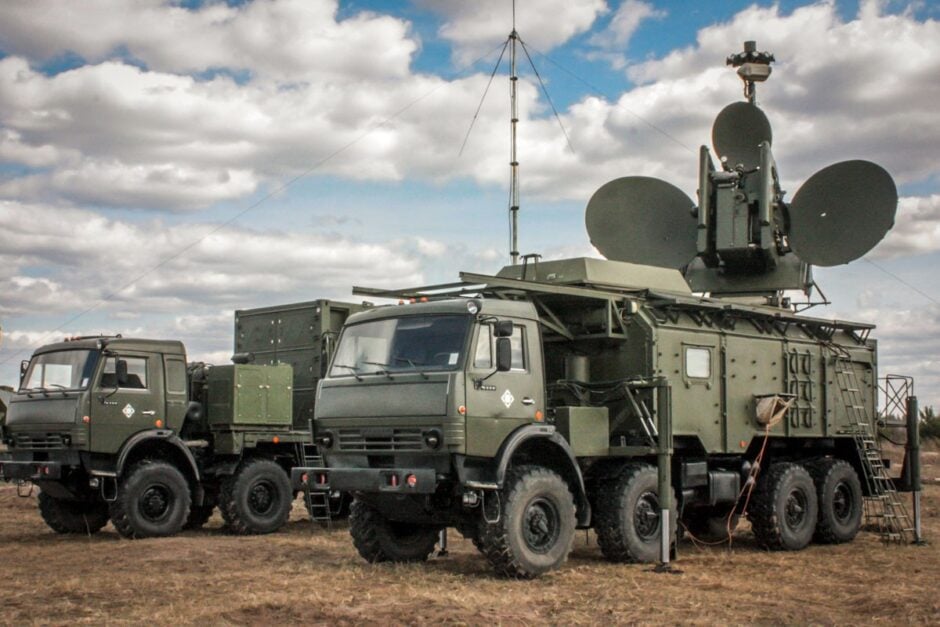
The mobile R-330Zh Zhitel station also disrupts GNSS in conflict zones. Meanwhile, the Pole-21 system can blanket wide areas by mimicking cell towers. These military systems, often near Kaliningrad, spill heavily into civilian airspace. Eastern Finnmark in Norway now reports near-daily disruption too. Notably, the public tracker GPSJam.org maps these hotspots globally each day.
The second attack, spoofing, is far more sophisticated and deceptive. It broadcasts counterfeit signals that perfectly mimic real satellites. The receiver then locks onto these fake signals unknowingly. Critically, it calculates a false location or time chosen by attackers.
The real-world consequences are already serious and mounting. In 2024 alone, operators reported hundreds of spoofing incidents. These clustered heavily across the Middle East and Southeast Asia. One documented case involved a fatal Azerbaijan Air crash.
Global authorities have responded with increasingly urgent warnings. The ICAO, ITU, and IMO issued a rare joint statement. Meanwhile, the FAA has directed pilots toward analogue backups.
The defensive fight now spans several parallel approaches. Engineers are developing spectrum monitoring instruments to locate interference. Additionally, many experts champion eLoran, a ground-based backup signal. Notably, the UK Ministry of Defence recently funded such a system.
Ultimately, the battle reflects our deep reliance on invisible infrastructure. Experts call positioning and timing the quiet backbone of everything. As threats grow, protecting these signals becomes genuinely critical worldwide.