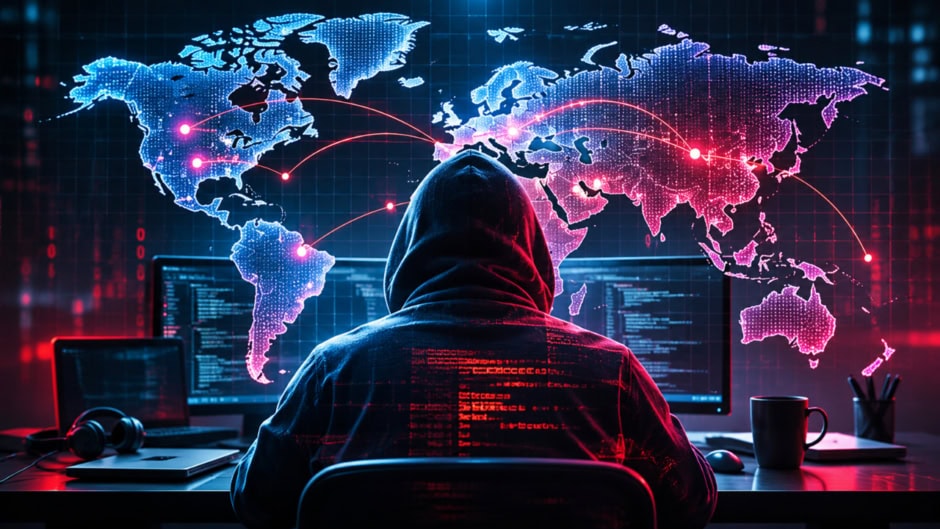
Cyber warfare used to be invisible. Attackers stole data, encrypted files, and vanished. That era is ending. In the final months of 2026, hackers set supermarkets on fire, shut down hospital emergency rooms, and spoiled food across an entire continent. The damage is no longer digital. It is physical, visible, and personal.
The shift became impossible to ignore on October 11. Hackers remotely accessed industrial refrigeration controllers at roughly 700 retail sites across France. They targeted chains including Intermarche, Carrefour, Monoprix, and E.Leclerc. Instead of encrypting files, they manipulated defrost controls. They forced freezer temperatures to reach 50°C (122°F). The result was massive food spoilage across meat, dairy, and frozen goods. Fires broke out at 15 stores. France estimated the damage at tens of millions of euros.
On November 9, France’s cybersecurity agency ANSSI attributed the attack to Shahid Kaveh, an offensive cyber unit under Iran’s Islamic Revolutionary Guard Corps. ANSSI called it the first large-scale pure-sabotage cyber campaign on French soil. The Paris prosecutor issued international arrest warrants against the unit’s leadership. Then a second wave struck supermarkets across 12 more European countries in early November. France’s national blood service also faced attacks on plasma storage refrigeration.
The attackers did not need advanced tools. They exploited internet-exposed, end-of-life refrigeration controllers with default credentials and outdated firmware. Food and Ag-ISAC data shows ransomware incidents in the food sector rose 62% in the first half of 2026 compared to the same period in 2025.
Hospitals tell an equally alarming story. In mid-November, hackers shut down the emergency room at Kreiskrankenhaus Greiz-Ronneburg in Germany. It took several days to reopen. In late October, the University of New Mexico Health system diverted ambulances after a ransomware attack. In April, Brockton Hospital in Massachusetts canceled chemotherapy treatments. The Health Management Academy tracked at least 65 cyberattacks that disrupted patient care at US hospitals since January 2022. Those incidents affected over 305 hospitals. In 40% of cases, ambulances had to divert.
For Pakistan, the warning signs are direct. Cold-chain systems at hospitals and food distributors face the same exposure risks. The lesson from Europe is straightforward: an attacker who controls a refrigerator can cause more visible damage than one who steals a database.
Cyber warfare crossed a line in 2026. It moved from servers into kitchens, hospital beds, and grocery aisles. The attackers never entered a single building. They simply found devices that nobody bothered to secure.