Google held its annual Made by Google event in New York City on August 12 at 6:00 p.m. Eastern Time (which is 3:00 a.m. of August 13 in Pakistan Standard Time), unveiling the Pixel 11 smartphone lineup, the Pixel Watch 5, the company’s first-ever Pixel Tag Bluetooth tracker, and a new color for the Pixel Buds Pro 2.
Pre-orders for the entire lineup opened immediately, with devices shipping and hitting retail availability on August 20.
All Things Google Grabbing Our Attention
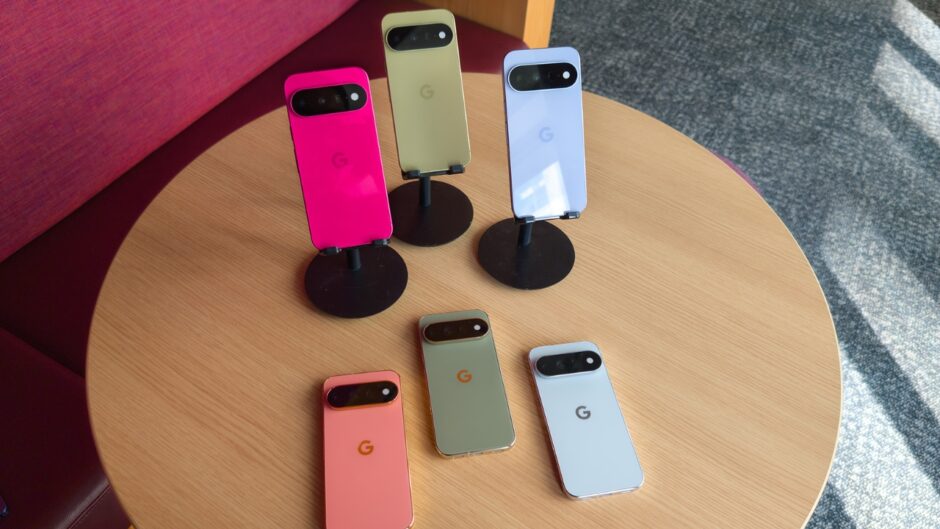
Pixel 11 Series: Four Phones, One New Chip, and a Glowing Camera Bar
The headline lineup includes the Pixel 11 ($899), Pixel 11 Pro ($1,099), Pixel 11 Pro XL ($1,299), and Pixel 11 Pro Fold ($1,899). All four devices run on Google’s new Tensor G6 chipset, which improves web browsing performance by 25% and app launch speeds by 15% compared to the previous Tensor G5. Google eliminated the 128GB storage tier entirely this year, meaning every model starts at 256GB with options up to 1TB on the Pro and Pro XL. The base Pixel 11 carries 12GB of RAM, while all Pro models ship with 16GB.
HiLight is the most visually distinctive new feature exclusive to the Pro and Pro XL models this generation. It is a multi-color LED strip built into the camera bar that glows when Gemini is listening, thinking, or responding, and it can display custom colors assigned to specific callers during incoming phone calls. HiLight only works with phone calls and Gemini interactions at launch, with Google Messages support reportedly planned for later. No third-party app support is currently in development for the feature.
The camera system received meaningful upgrades across the entire lineup, particularly on the Pro and Pro XL models. The redesigned 48-megapixel telephoto camera features a larger sensor capturing 30% more light than its predecessor, enabling crisp 5x Portrait Mode shots without perfect daylight conditions. Pro Zoom stretches to 120x using next-generation generative imaging models that clean up extreme telephoto shots computationally. Night Sight captures execute up to 4.5 times faster thanks to Tensor G6’s upgraded image signal processor, effectively eliminating the breath-holding wait that low-light photography required on previous Pixel generations. A new Magic Capture feature introduces creative photography modes that Google says will become a signature capability of the platform.
The Pro XL specifically features a 6.8-inch display reaching 3,600 nits peak brightness and 2,400 nits HDR, a 5,500mAh battery that delivers 15 hours of use from just 15 minutes of wired charging, and 25W Qi 2.2 wireless charging support. Google also added a new scratch-resistant coating that the company claims offers twice the protection of the previous generation.
Security received a generational leap with the new Titan M3 co-processor, which introduces post-quantum cryptography to the Pixel’s secure boot process for the first time. Independent research by Counterpoint Research rated Pixel’s AI system as offering the highest privacy protection of any consumer smartphone currently available. All Pixel 11 models receive 7 years of OS upgrades, security patches, and quarterly Pixel Drops.
Pixel 11 Pro Fold: Thinner, Lighter, Coming in October
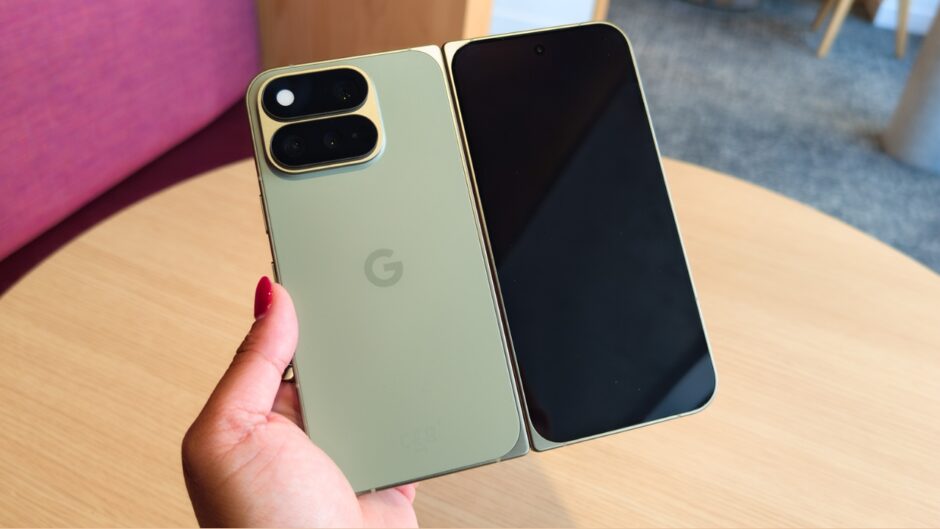
The Pixel 11 Pro Fold was announced alongside the standard lineup but follows a later release schedule in October 2026, matching the same pattern Google established with the Pixel 10 Pro Fold in 2025. At $1,899, it sits at the top of the pricing structure and competes directly with the Samsung Galaxy Z Fold 8 Ultra.
Pixel Watch 5 and Pixel Tag
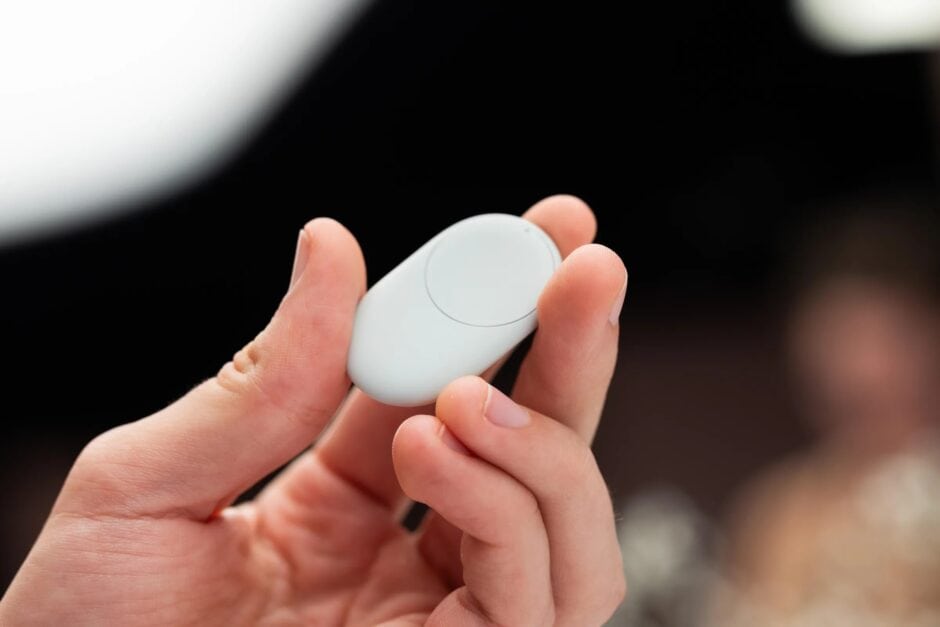
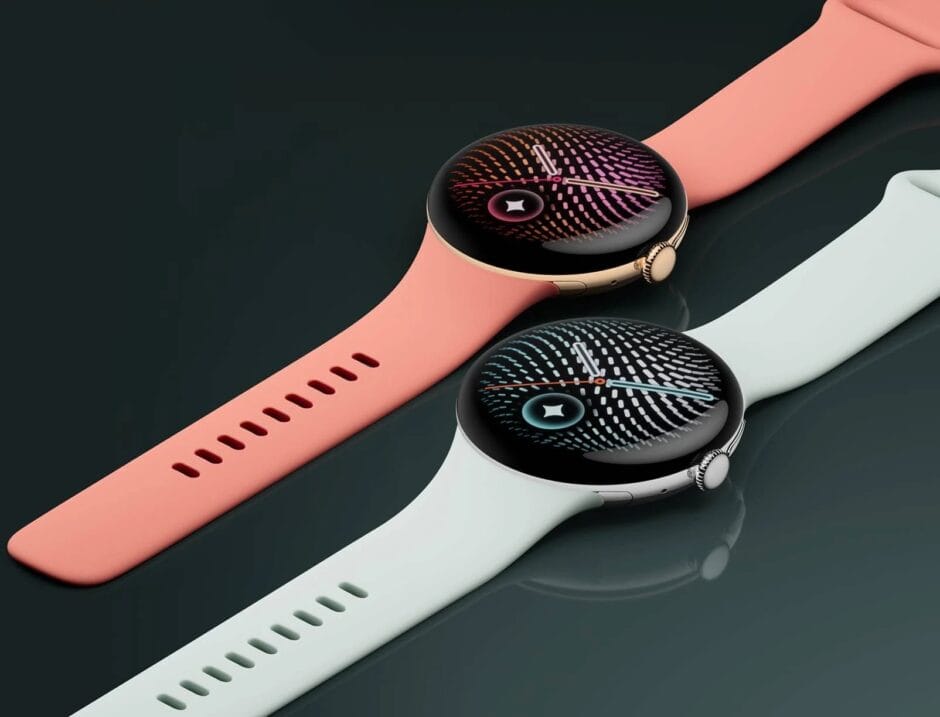
The Pixel Watch 5 arrives alongside the phones at a starting price of $399, up $50 from the Pixel Watch 4’s $349 launch price. New Warm Gold and Pyrite color options join the lineup. Google also debuted the Pixel Tag, the company’s first-ever Bluetooth tracker, entering a product category dominated by Apple’s AirTag and Samsung’s SmartTag.
What This Means
Google’s pricing strategy this year reflects industry-wide inflation across the flagship smartphone segment, with every model costing more than its predecessor. The company is betting that Tensor G6’s AI capabilities, HiLight’s notification personality, post-quantum security, and camera improvements justify the premium.
Whether the Pixel 11 series can compete against Samsung’s Galaxy S26 Ultra and Apple’s upcoming iPhone 18 lineup at these price points depends on how effectively Google’s software-first philosophy translates into daily user experience advantages that raw specifications alone cannot capture.