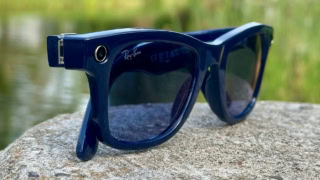
Samsung is developing a pair of smart glasses that could be more advanced than its forthcoming competitors to Ray-Ban Meta, with evidence suggesting a possible 2027 release date for a display-equipped model.
Some expert sources found evidence of a third pair of smart glasses in the source code of Samsung’s upcoming One UI 9 firmware. The discovery reveals a new model number SM-O500 with the code name Haean. This represents a significant finding as it suggests Samsung is working on multiple smart glasses products simultaneously.
Two model numbers are already known: SM-O200P and SM-O200J with the code name Jinju. These are likely associated with the Android XR-based smart glasses Samsung recently confirmed will release sometime this year. Those are expected to be similar to Ray-Ban Meta in that they will essentially be audio-only, including microphones, camera, speakers but no form of display.
Display Version Potentially Coming
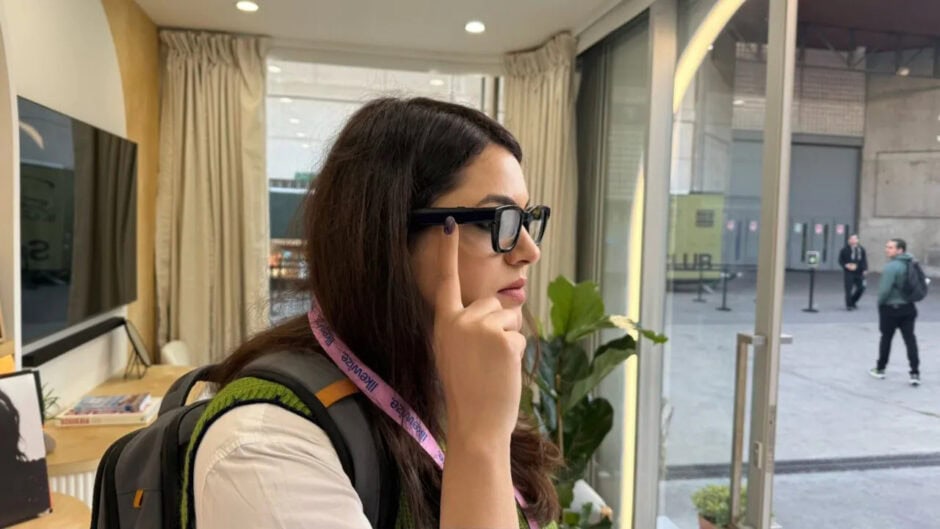
As SM-O500 follows the same numbering and lettering scheme as those two known smart glasses models, it could indicate Samsung is already working on ecosystem support for the next-generation device. Based on prior rumors, SamMobile suggests it may even be a display-equipped version coming in 2027. This would be similar to Meta Ray-Ban Display priced at $800 that released late last year in the United States.
Android Authority notes that its source code sweep of One UI 9 is not a smoking gun. APK teardowns of this sort can be useful in revealing future releases but may also not make it to a public release. However, the inclusion of ecosystem tie-ins in One UI 9 based on Android 17 could mean more information will emerge soon.
Android XR Partnership Details
Google, the creator of Android XR, announced last year it was partnering with Samsung as well as Gentle Monster and US-based eyewear brand Warby Parker to release the company’s first generation of Android XR-based smart glasses. This partnership represents a significant push into the smart glasses market by major technology and eyewear companies.
Google also hopes to release a model with built-in displays for visual output. The company showed off two prototypes last year including both a monocular and stereoscopic model to demonstrate Android XR’s ability to adapt to multiple hardware configurations. This flexibility suggests the platform can support various form factors from audio-only devices to full AR displays.
Release Timeline Uncertain
There is no release date in sight for any of the Android XR-running smart glasses. Android 17 is expected to release in June 2026 with One UI 9 expected a month later, which could hold more clues about Samsung’s smart glasses plans.
The discovery of the SM-O500 model in One UI 9 source code suggests Samsung is planning ahead for future products. However, the timeline between initial development and actual product release can vary significantly in consumer electronics. Reports also state that there is no sufficient knowledge of the whole processes involved but they can say for sure that the company may be building in support for products that will not ship for several years.