OpenAI is preparing to test visual advertisements inside ChatGPT’s image generation feature, with a rollout beginning later in October 2026 for US users. The move marks a significant expansion of the company’s growing ad business, which now reaches 1.2 billion weekly users.
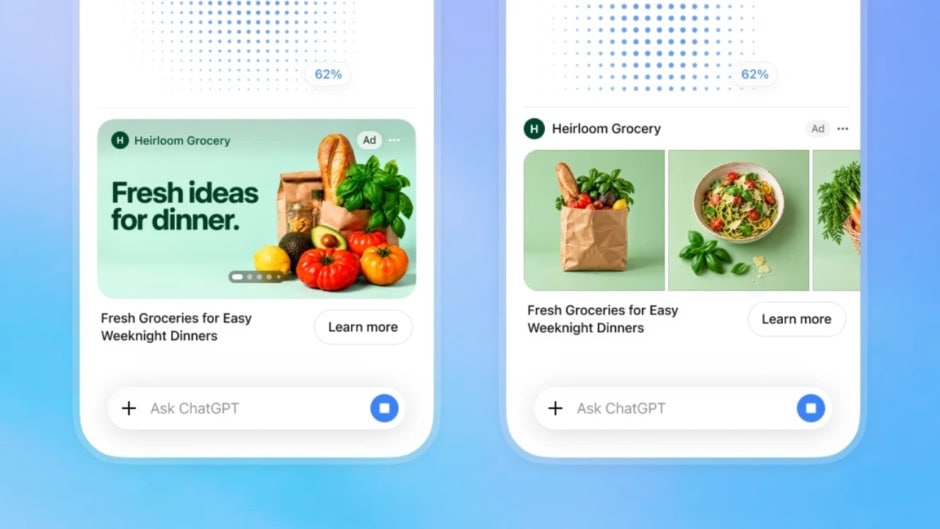
According to OpenAI, these ads will appear during the image generation process but will remain “clearly labeled and separate from the image being” created.
“Initially, we’ll test this new ad format during image generation in ChatGPT. Ads will be clearly labeled, and remain separate from the image being created,” OpenAI explained.
The company stressed that ads will not influence ChatGPT’s answers in any way. Advertisers also cannot shape, rank, or alter the chatbot’s responses. Conversations remain private from advertisers.
To prevent problematic placements, OpenAI has built safeguards that block ads from appearing during emotionally vulnerable or sensitive conversations. Independent third-party firms DoubleVerify and Integral Ad Science will verify ad safety. For performance measurement, OpenAI has integrated conversion tracking tools from Hightouch, Tealium, and LiveRamp, alongside attribution partners including AppsFlyer, Adjust, and Branch.
The visual ads join an existing ad format that OpenAI first launched earlier in 2026. That initial format placed a single sponsored unit with a headline, description, image, and link at the bottom of ChatGPT answers on a cost-per-click basis. In August, OpenAI also introduced product carousels that pull items directly from retailer product feeds, similar to Google Shopping.
However, all ads appear only for users on the Free and Go ($8/month) tiers. Paid subscribers on Plus, Pro, Business, and Enterprise plans see no advertisements.
OpenAI reportedly targets $2.5 billion in ad revenue for 2026, with ambitions to scale that figure over 40 times to more than $100 billion by 2030. The push into visual ads comes ahead of the Q4 holiday shopping season, when retail ad spending typically peaks.
As OpenAI states:
Today’s updates are part of our broader ambition to help people discover products and services, evaluate options, and make decisions in ChatGPT. We will continue to evolve our ad platform with new formats and capabilities to help businesses reach customers in useful and relevant ways and provide opportunities for businesses of all sizes to grow and thrive.
The ad expansion has not come without controversy. As of September 10, OpenAI quietly stopped accepting ads for standalone image and audio generation tools that compete with its own products. Adobe’s Firefly image generator lost ad access despite participating in OpenAI’s initial pilot. Adobe’s senior director for Americas media, Doug Wyatt, said ChatGPT is “narrowing both the paid and organic discovery pathways for tools in categories it now competes in directly.”