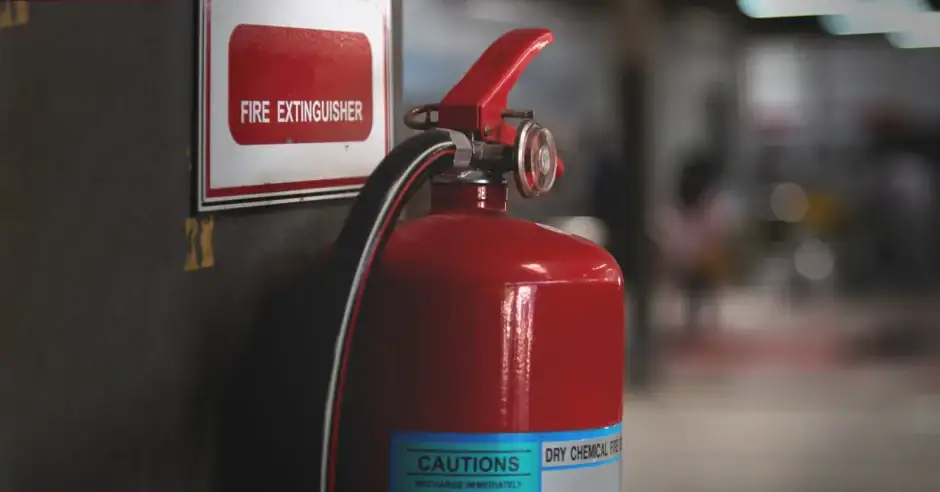
More than 63 percent of the buildings identified for fire safety audits in Sindh are yet to be revisited, while Karachi has the highest number of non-compliant buildings in the province at 162, according to data from the Provincial Disaster Management Authority (PDMA) Fire Safety Audits Portal (FSAP).
Across Sindh, 3,486 buildings have been identified, including 142 added in the second phase. Only 1,270 have been revisited so far, leaving 2,216 pending. Of those revisited, 61 are non-compliant, 457 are partially compliant and 752 are substantially compliant.
The overall risk assessment shows 486 buildings (13 percent) as high-risk, 1,199 (34 percent) as medium-risk and 1,829 (52 percent) as low-risk. In total, 47 percent of the audited buildings fall in the medium- or high-risk category. In the second-phase assessment alone, 231 buildings (18 percent) are high-risk, 463 (36 percent) medium-risk and 576 (45 percent) low-risk.
The FSAP’s risk level changes data shows that 225 buildings improved: 124 moved from high to medium risk, 35 from high to low and 66 from medium to low. A total of 970 buildings showed no change, while 21 deteriorated, including 14 from medium to high risk and seven from low to high risk.
Hyderabad has the highest number of identified buildings at 1,295, of which 943 are pending re-inspection. It also has the most partially compliant buildings in the province at 691.
Karachi has 907 identified buildings, of which 292 have been revisited in the second phase. The remaining 615 are awaiting re-inspection. By district, South has 57 non-compliant and 104 partially compliant buildings.
Central has 45 non-compliant, 69 partially compliant and 71 substantially compliant buildings. West has 11 non-compliant and 34 partially compliant buildings. East has 15 non-compliant buildings, Korangi 23, Malir seven and Keamari four. Korangi is the only district showing significant improvement, with 140 substantially compliant buildings.
In the division, four buildings moved from medium to high risk and one from low to high risk during the second phase. Fourteen buildings improved from high to medium risk and 22 from high to low.
Karachi Commissioner Syed Hassan Naqvi chaired a meeting at his office on Wednesday (Oct 7) and ordered the swift completion of the audit. He directed deputy commissioners (DCs) and relevant departments to finish the ongoing survey at the earliest through coordinated efforts.
According to an official statement, the meeting was attended by DCs and officials of the PDMA, the Sindh Building Control Authority (SBCA), the fire brigade and other departments. It reviewed district-wise performance of the survey and arrangements for enforcing fire safety laws in commercial buildings.
The commissioner directed that notices be issued to buildings lacking safety arrangements and that they be required to comply fully. He said approved building maps would be uploaded to the portal, and instructed the SBCA to prioritise this so the fire brigade can be assisted during emergencies.
The meeting also decided to conduct safety audits of hospitals, industries and schools. The commissioner stressed that hospital audits be carried out on a priority basis and that officers of the relevant departments be included in the survey committees.
PDMA system analyst Diyal Das Rathore told the meeting that survey committees headed by assistant commissioners have completed the survey of 907 buildings in Karachi division.
DC-South Javed Nabi Khoso said 202 buildings had been audited in his district and all had been informed of SOPs detailing safety laws and rules. DC-Central Taha Saleem reported 185 buildings audited, while DC-East Nasrullah Abbasi reported 196 surveyed. DC-Korangi Masood Bhutto said a shopping centre in Shah Faisal Colony had been directed to take immediate safety measures.
Officials said the second-phase drive to verify implementation of fire safety recommendations is ongoing. Buildings found without the required arrangements have been issued notices and asked to meet all safety requirements.