Pakistan could save more than USD 1 billion in fuel imports over five years by adding 30,000 range-extended electric vehicles (REEVs) annually, according to auto industry experts.
Under this projection, the REEV fleet would reach 150,000 vehicles by the fifth year. Industry estimates indicate the fleet could displace about 1.2 billion litres of petrol and avoid roughly 2.7 million tons of operational carbon emissions compared with similar petrol vehicles. Actual savings would depend on driving distances, charging patterns and the share of travel completed on electricity.
Petroleum imports account for 30 percent of Pakistan’s total import bill. Mohammad Shaaf Najib, Research Economist at the Pakistan Institute of Development Economics (PIDE), said faster EV adoption would reduce this fiscal vulnerability and protect the current account from foreign exchange losses caused by global oil shocks. He made the remarks in Future on Wheels.
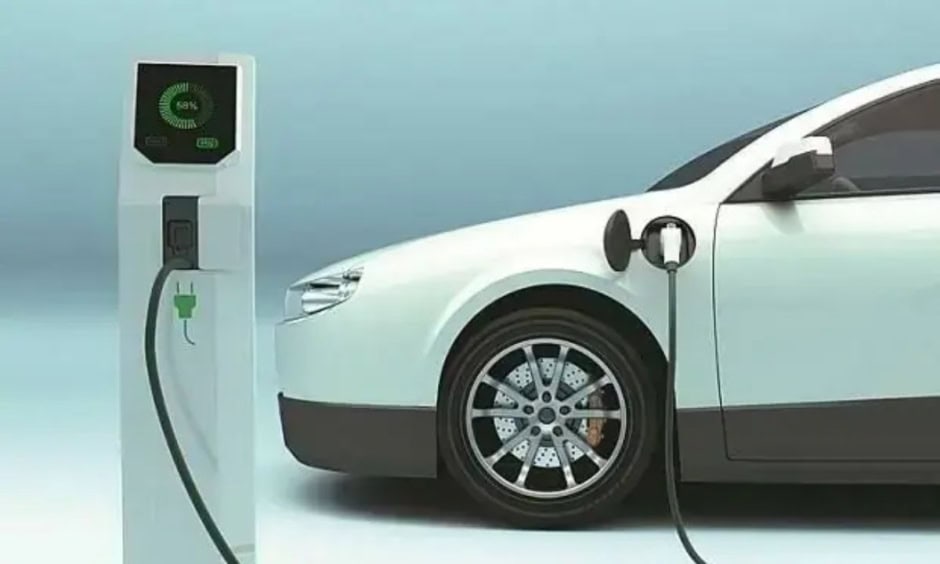
REEVs use electric motors to drive the wheels, while an on-board petrol engine works as a generator to support the battery when needed. This allows motorists to complete routine journeys on electricity and retain extra range for intercity travel.
Industry insiders said REEV models with an electric range of 150–180 kilometres could cover most daily travel through home charging, including rooftop solar. The vehicles would also offer flexibility while Pakistan’s public charging network develops.
Ali Damani, Chief Operating Officer of Changan Motors Pakistan, said REEVs offer consumers a practical route to electric mobility by combining lower daily running costs with the confidence to travel longer distances. He added that a stable policy framework, investment in charging infrastructure and gradual localisation would help turn these benefits into wider economic gains.
Some REEV owners who charge mainly through rooftop solar report monthly fuel savings of up to Rs 65,000. These savings vary with vehicle usage and charging costs, but show the potential relief for households managing school transport, commuting and routine trips.
Industry insiders estimate that raising annual REEV additions to 60,000 could roughly double the projected fuel-displacement benefits under comparable assumptions. They said shifting transport demand to domestically generated electricity could reduce exposure to international oil-price volatility and ease pressure on foreign exchange reserves.
Industry stakeholders have called for a predictable framework for new energy vehicles, including long-term policy stability, affordable financing, expanded charging facilities, and incentives progressively linked to localisation and consumer protection.
They said the automotive transition should encourage competition in technology, running costs and after-sales service, giving consumers access to more efficient vehicles while supporting energy-security objectives.