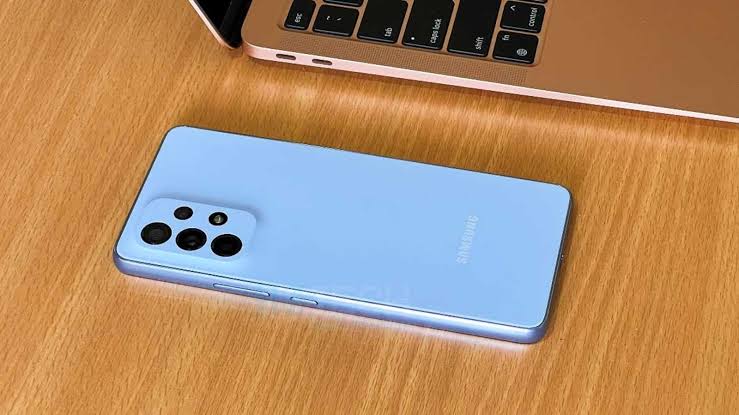
Samsung is reportedly cutting Galaxy A smartphone production in the fourth quarter of 2026 as rising memory prices put pressure on its profit margins. A new report from Korea claims the company plans to reduce output by around 20% compared with its original target.
The reduced production plan has reportedly been shared with Samsung’s suppliers. One industry source says component orders for October to December are down about 20% from the plan made earlier this year. The cuts could leave Samsung producing around 10 million fewer smartphones over the full year.
The company may also reduce Galaxy A production by at least 10% next year, according to another source. The move could affect Samsung’s wider smartphone business, as the Galaxy A series accounts for 70% of its total shipments.
The lineup includes popular models such as the Galaxy A57, Galaxy A37, and Galaxy A17 5G. Samsung ships around 230 million to 240 million smartphones annually and has been competing closely with Apple for the top position. Apple led the market in 2025, while Counterpoint predicted in August that Samsung could take the lead in 2026 by just 0.1 percentage points. However, lower production of its best-selling phones could put that position at risk.
Rising memory costs are reportedly a major reason behind the decision. Memory now accounts for more than half the cost of some budget smartphones. Meanwhile, supplies of printed circuit boards (PCBs) and multilayer ceramic capacitors (MLCCs) are increasingly being directed toward AI chips, which offer higher profits.
Samsung had maintained Galaxy A production despite these pressures because it had better access to raw materials than many Chinese competitors. However, with shortages showing no clear signs of easing, the company is reportedly shifting components and materials toward its more profitable Galaxy S and Galaxy Z flagship phones.
Consumers could also feel the impact. An industry insider warns that lower production may push smartphone prices higher. Manufacturers could also introduce new models with weaker displays or cameras while charging more than they did for previous generations.
These concerns echo a warning from Counterpoint in March, when the research firm highlighted the risk of higher smartphone prices in 2026 as memory costs continued to climb.