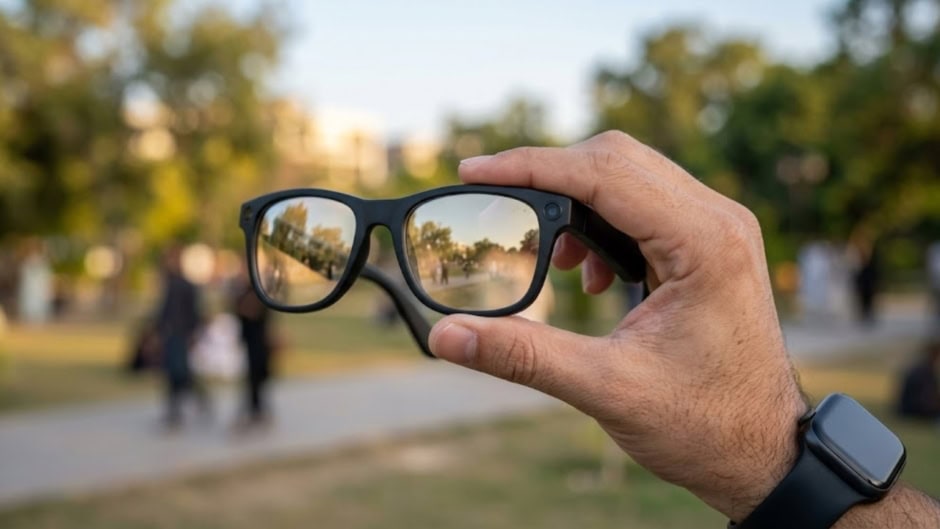
According to WIRED, more than 75 civil liberties, domestic violence, labor, and immigrant rights organizations have signed an open letter demanding Meta halt its plans to add facial recognition to its Ray-Ban and Oakley smart glasses.
The feature, internally known as “Name Tag,” would allow wearers to identify strangers in real time using Meta’s AI assistant, then pull up personal information linked to their social media profiles.
The groups warn the technology would hand stalkers, abusers, and federal agents a powerful tool for silent surveillance. Vulnerable populations, including people of color, immigrants, women, children, and religious minorities, face the greatest risk. “Nobody wants to live in a world where strangers can secretly identify them,” one coalition member said, warning the feature is “not just unconscionable but highly dangerous.”
In February, a report from the New York Times revealed that Meta is gearing up to quietly introduce facial recognition technology in its AI glasses. The goal? To strengthen the connection among users of the device. This report, which stemmed from leaked internal communications within Meta, indicated that the company aims to roll out this update during a time of significant political upheaval, hoping to push it through with minimal pushback.
Internal Meta planning documents made the situation worse. The documents showed Meta planned to launch the feature during a “dynamic political environment” because advocacy groups would be too distracted to push back. The coalition called that approach “frankly shameful.” Meta has paid over $7 billion in privacy fines and settlements in recent years, which groups cited as evidence the company cannot be trusted to self-regulate.
Separately, a joint investigation by two Swedish newspapers found contractors in Kenya reviewing personal videos recorded through the glasses, including footage containing intimate and private moments. A class action lawsuit filed in March 2026 targets Meta over this practice.
US senators demanded answers from Meta on the facial recognition plans, setting an April 6 deadline for a response. As of the time of reporting, Meta had not publicly responded. Kenya opened a formal investigation into the glasses, joining the UK and the United States in scrutinizing the product.
More than 7 million pairs of the smart glasses sold globally last year. The Electronic Frontier Foundation urged consumers to think twice before buying them, warning that adding facial recognition would eliminate any reasonable expectation of privacy in public spaces.
But the real question is would the big tech ever listen to privacy qualms they create without a second thought? The answer, sadly, seems like no, as history has shown us.