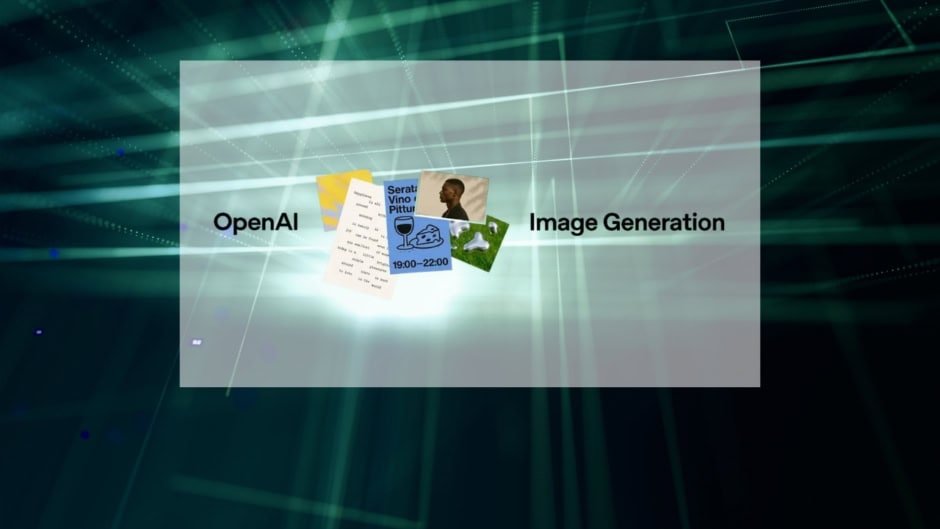
OpenAI announced two new measures to help fight problem of distinguishing AI-generated images from authentic photographs on Tuesday.
The company committed to open standard called C2PA which adds clear signal in metadata showing AI generated the image. OpenAI is also partnering with Google to include invisible watermark called SynthID making it harder to detect but also harder to erase.
The new protections only apply to images that OpenAI products generate ensuring company isn’t part of misinformation problem. OpenAI is also previewing public verification tool that will check for both signals allowing users to easily test whether AI generated an image. Initially tool will only extend to images that OpenAI products generate with company hoping to expand coverage over time.
Coalition for Content Provenance and Authenticity founded in 2021 works as nonprofit dedicated to mitigating harmful effects of AI imagery on public discourse. Range of Google products has adopted C2PA standard but adoption remains inconsistent across industry. Because C2PA signal sits clearly accessible in metadata of each file users can manipulate it and it works most usefully among trusted users.
SynthID represents newer effort that designers built to be more robust measure against meddling. Google developed SynthID watermark designing it to persist even when bad actors attempt to remove it through screenshots, resizing or digital manipulation. The two systems complement each other with each addressing other’s weaknesses according to OpenAI announcements.
“Watermarking can endure through transformations like screenshots while metadata can provide more information than watermark alone,” OpenAI noted in announcement. “Together they make provenance more resilient than either layer would achieve on its own.”
Growing concerns surrounding AI-generated misinformation pushed technology companies toward stronger authenticity systems protecting users from manipulated media online. OpenAI said future improvements may expand verification coverage beyond company products supporting broader industry-wide transparency efforts eventually.
OpenAI maintains it does not store uploaded images unless law requires it and does not use them to train models.