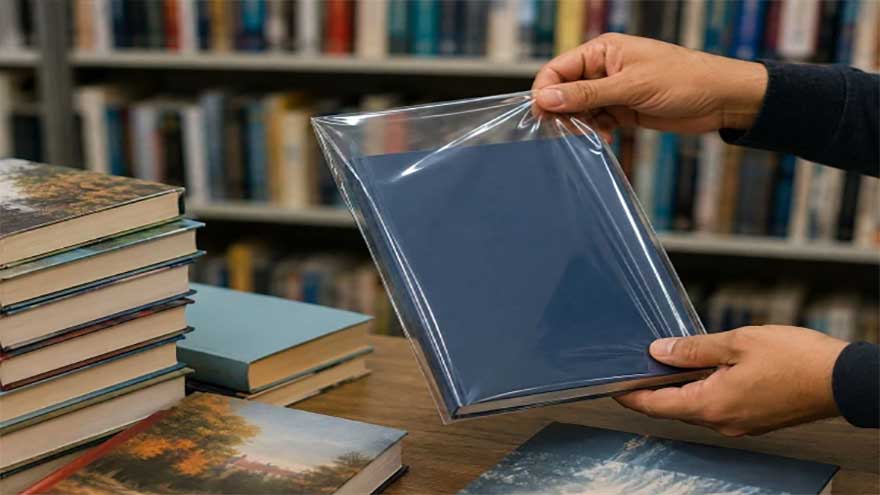
The National Assembly of Pakistan has passed a new environmental law targeting plastic waste in education. The Islamabad Capital Territory (Prohibition of Plastic Book Covers) Bill, 2026, is now officially approved. It bans the sale and distribution of books wrapped in plastic covers in the federal capital.
The bill was introduced by MNA Syed Naveed Qamar and approved on May 12, 2026. Lawmakers linked the move to rising environmental pressure across urban areas. They also focused on reducing single-use plastic in schools and markets.
According to official figures, Pakistan produces around 3.9 million tonnes of plastic waste every year. A large portion comes from thin plastic films. These materials are hard to recycle. They also pollute water systems and harm wildlife.
In the bill’s explanation, lawmakers challenged a common assumption. Many people believe plastic book covers protect books better. However, the law describes this idea as misleading. It argues that the damage to the environment is far greater than any benefit.
As a result, schools are encouraged to shift toward safer alternatives. These include paper covers, cloth wraps, and biodegradable materials. The goal is to reduce long-term environmental harm in the education sector.
The law also gives strong enforcement powers to local authorities. The Islamabad district administration can now inspect shops and schools. Officials are allowed to check compliance without prior notice.
Moreover, authorities can issue on-the-spot fines and seize banned materials immediately. First-time violators may face fines of up to Rs. 50,000. Repeat offenders can face penalties of up to Rs. 100,000.
These penalties are designed to push quick compliance across the capital. At the same time, they aim to create a shift toward sustainable practices in schools and book markets.
Pakistan’s move aligns with earlier action in Sindh. The provincial government recently restricted the production and sale of plastic bags. The Sindh Environment Department began enforcement after cabinet approval on April 15.
Together, these steps show a wider policy direction. Federal and provincial efforts are now moving in the same direction. The focus is clear on reducing plastic waste across the country. Urban drainage systems often suffer from plastic blockages. This law is expected to reduce that pressure over time. It also supports cleaner cities and better public health outcomes.