Sindh Education Department has issued new fee collection rules for all private schools in the province, covering the 2026–27 academic session beginning April 1, 2026.
The directive was announced by Additional Director of Registration Rafia Javed, who outlined the revised guidelines covering students from pre-primary level through to Class IX.
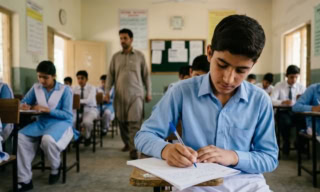
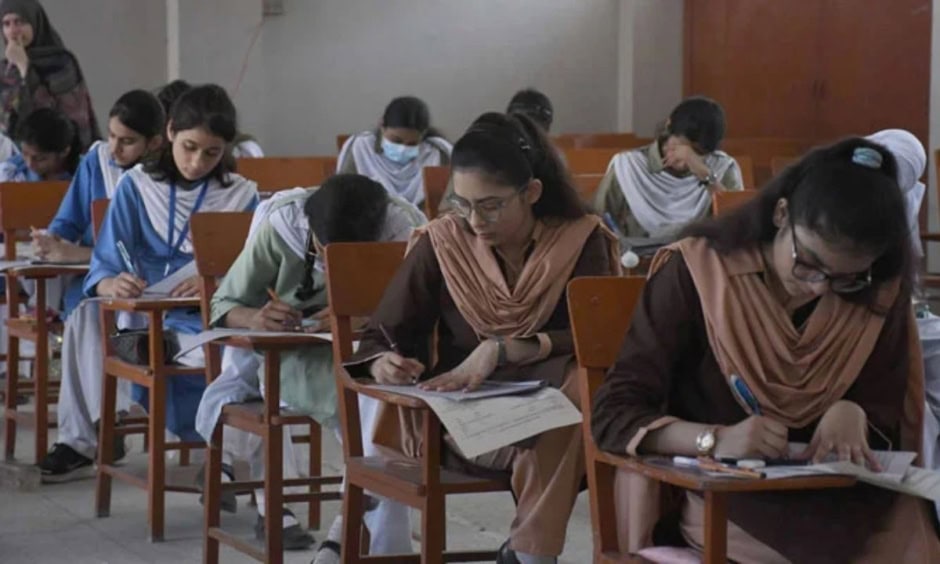
The new rules ban private schools from charging matric students any fees beyond March 2026, as matriculation board examinations in the province began on April 10, 2026.
Schools are also barred from imposing any additional or extra charges on students who are currently appearing in board examinations during the ongoing April examination period.
Fee voucher rules
Under the revised framework, private schools are permitted to collect June and July fees in advance, during the months of April and May 2026 respectively.
However, schools must issue separate fee vouchers for each individual month and are not permitted to combine both months into a single payment challan.
June fee vouchers issued in advance will remain valid until June 30, 2026, while July vouchers collected early will be valid until July 31, 2026.
Class IX to X transition
A separate fee structure has been introduced specifically for students moving from Class IX to Class X, providing clear payment guidelines during the academic transition period.
The department stated the new structure aims to standardise fee practices across private institutions and improve transparency in how fees are communicated to parents.
Sindh High Court order
The new rules follow a Sindh High Court (SHC) order earlier this month granting a ninth-grade student conditional permission to sit examinations amid a school fee dispute.
The family of a student filed a petition in the Sindh High Court against a private school in Karachi that had issued June and July fee challans before the permitted collection period.
The counsel of the petitioner told the court that the school had violated the circular of the Education Department by demanding advance fees outside the officially approved collection schedule.
Counsel also stated that complaints filed with relevant authorities against the early fee demand were not acted upon before the family approached the Sindh High Court.
After hearing initial arguments, the SHC ordered the school to allow the student to sit the examination without hindrance, while the case proceedings continued separately.
Broader regulatory context
Private schools in Sindh have been subject to a court-mandated annual fee increase cap of five percent, upheld by the Supreme Court of Pakistan in a 2019 ruling.
The SHC has previously ordered schools found in violation of fee rules to refund excess charges and submit quarterly audit reports to the court on compliance matters.