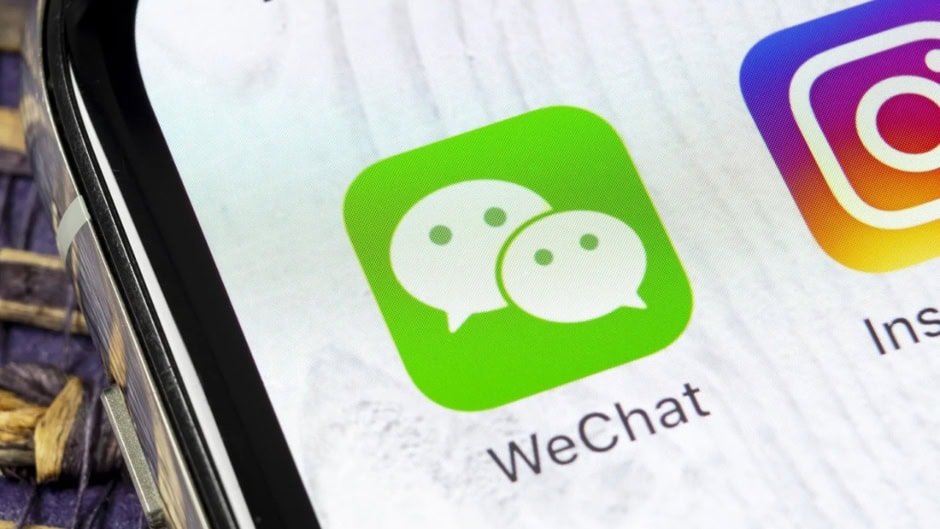
Tencent just officially announced limited testing of a new AI assistant named Xiaowei. The company embedded this native AI tool directly inside Weixin, the Chinese version of its super app, WeChat. Currently, WeChat and Weixin boast over 1.4 billion monthly active users combined. Consequently, Tencent aims to capture this massive, captive ecosystem by adding conversational layers to its existing platform. Following the announcement, investors reacted positively as they closely monitor the project for new monetization strategies.
How Xiaowei Works in WeChat
Users can interact with Xiaowei using either text or voice commands. Furthermore, the AI acts as a capable digital agent rather than a simple chatbot. Specifically, Xiaowei launches and orchestrates WeChat’s internal “mini-programs” to execute complex daily tasks. These capabilities include drafting messages, communicating with friends, ordering food, hailing rides, altering app settings, and generating images. Ultimately, this integration shifts the WeChat user experience from manual app discovery to seamless AI orchestration.
Under the hood, Xiaowei primarily relies on WeChat’s own large language model, WeLM. However, the assistant occasionally routes specific queries to external services like DeepSeek. Meanwhile, Tencent continues to build its broader AI infrastructure. The company develops its own separate “Hunyuan” family of models. To further strengthen its efforts, the tech giant recently poached a former OpenAI researcher to serve as its chief AI scientist.
The Race for AI Dominance
Tencent faces intense competitive pressure in China’s artificial intelligence market. Therefore, the Xiaowei test serves as a strategic counter-move against major rivals. For example, Alibaba is already testing similar AI agents inside its Alipay platform. Similarly, competitors like Zhipu and DeepSeek continue to advance their own AI solutions.
For now, Tencent restricts Xiaowei to a small-scale test group. However, the company reportedly targets a wider public rollout in the third quarter of 2026. Until then, several major operational questions remain unanswered. Specifically, Tencent has not yet clarified its protocols regarding product safety controls, content filtering, or the mediation of sensitive fintech and payment flows.