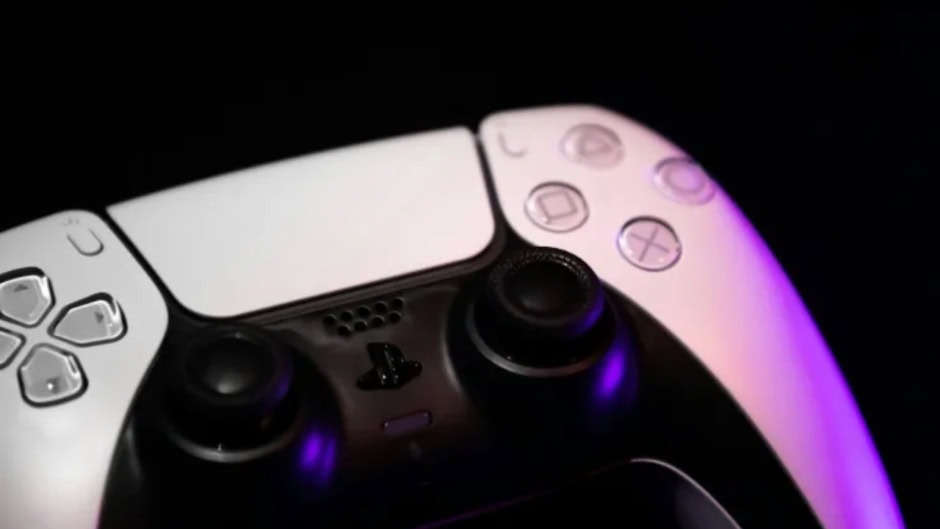
Every few months a Sony patent surfaces, gaming sites erupt, and fans start imagining their next PlayStation. The latest describes a modular controller with a detachable touchscreen, and it is genuinely intriguing. Before anyone pencils it in for the PS6, though, a reality check is overdue, since the graveyard of unbuilt Sony patents is deep and very entertaining.
Start with the most famous example. In 2021, Sony patented a system that turned an ordinary banana into a PlayStation controller, using a camera to map buttons onto the fruit. It even described using two oranges as a makeshift steering wheel, and a cup on a saucer as a pause button. The internet lost its mind, headlines wrote themselves, and predictably, no banana controller ever reached a shelf.
The fruit was just the beginning, however. Sony has patented a “smell-o-vision” system to pump in-game odors into your room, imagining the smell of gasoline in a racing game or a creature’s stench in a horror title. It patented DualSense grips that change temperature so your hands feel a game’s wintry plains. More recently, it patented a controller with sensors that read cortisol, glucose, and lactate from your palms to gauge your stress in real time. None of these exist, and none appear to be coming.
This is not Sony being frivolous, though it looks that way. Technology companies file patents constantly as a defensive and exploratory strategy, staking legal claim to ideas long before deciding whether to build them. A patent protects a concept, keeps options open, and occasionally just generates free publicity. So a filing signals that someone at the company thought about an idea, nothing more.
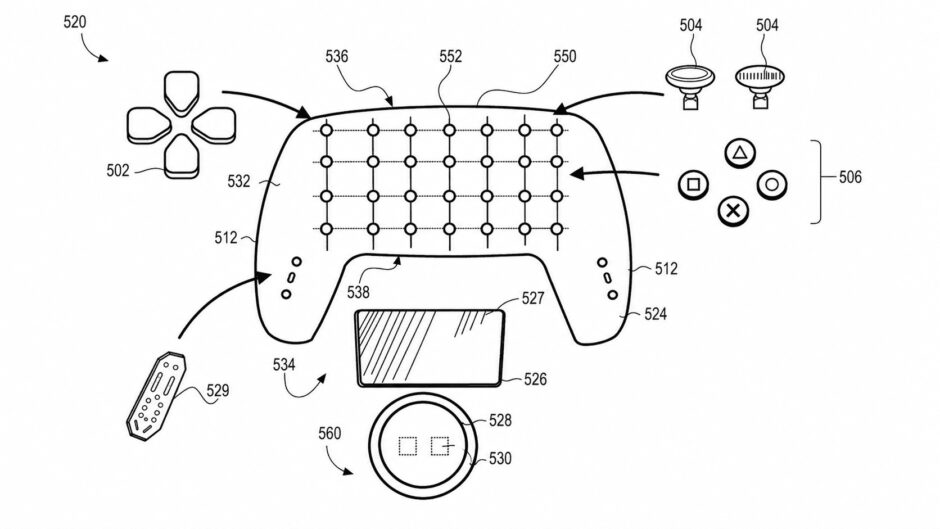
The gap between patent and product is where hype goes to die. Patents carry no timelines, no commitments, and no guarantee the technology even works at scale. Many describe deliberately broad concepts to maximize legal coverage, which is exactly why the banana patent technically covered any “non-luminous passive object” rather than fruit specifically. Reading that as a product roadmap is a mistake.
So how should you read gaming patent news? Treat it as a glimpse into a company’s thinking, not its plans. Get curious about the idea, enjoy the speculation, yet withhold real excitement until an official announcement with a name, a price, and a release date. When a headline says a patent “reveals” your next console, mentally swap “reveals” for “considers,” since that is closer to the truth.
The detachable-touchscreen controller may genuinely point somewhere, and modular design is a real industry trend worth watching. Even so, the honest position is patience. Sony has taught us this lesson repeatedly, one banana, one scent machine, and one stress-reading grip at a time.